Now Reading: Trump, Congress to clash over Hegseth, Iran, Ukraine issues
- 01
Trump, Congress to clash over Hegseth, Iran, Ukraine issues

Article Summary
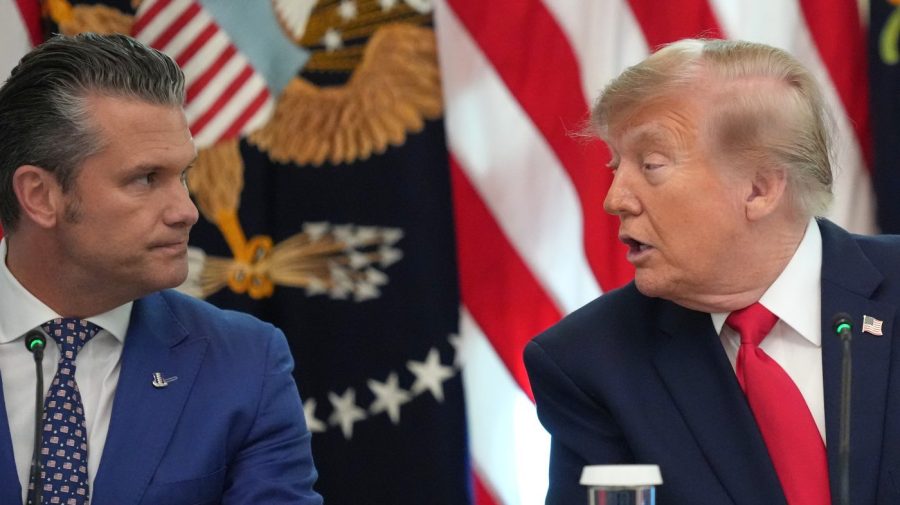
Democrats are increasingly vocal about their demands for Trump to dismiss Hegseth from his position. They argue that his leadership has not aligned with their vision for national security and foreign relations. The party has indicated that they will not support funding for defense initiatives unless significant changes are made in the Pentagon's leadership, particularly with Hegseth at the helm.
The situation is further complicated by the differing perspectives within Trump's own party. Some Republican members are also expressing concerns about Hegseth's approach to military strategy and international relations. This internal division could pose challenges for Trump as he navigates the political landscape post-election, especially with key defense issues at stake.
As the tensions rise, the administration's stance on the Iran war and the Russia-Ukraine conflict will likely be scrutinized. These geopolitical crises are not only central to U.S. foreign policy but also serve as a litmus test for the effectiveness of Hegseth's leadership. Trump's decisions in the coming weeks will be pivotal in determining the direction of U.S. military engagement and funding.
In summary, President Trump faces a critical juncture with the potential dismissal of Secretary of Defense Pete Hegseth looming after the midterms. The Democrats' push for his removal, coupled with dissent within the Republican ranks, sets the stage for a contentious debate over U.S. military policy and funding in the wake of significant international conflicts. How Trump addresses these challenges will have lasting implications for his administration and the nation's defense strategy.




Related Posts
Stay Informed With the Latest & Most Important News
Newsletter Signup
Previous Post
Next Post