Now Reading: Senate prepares for conflict over Peltola’s seating
- 01
Senate prepares for conflict over Peltola’s seating

Article Summary
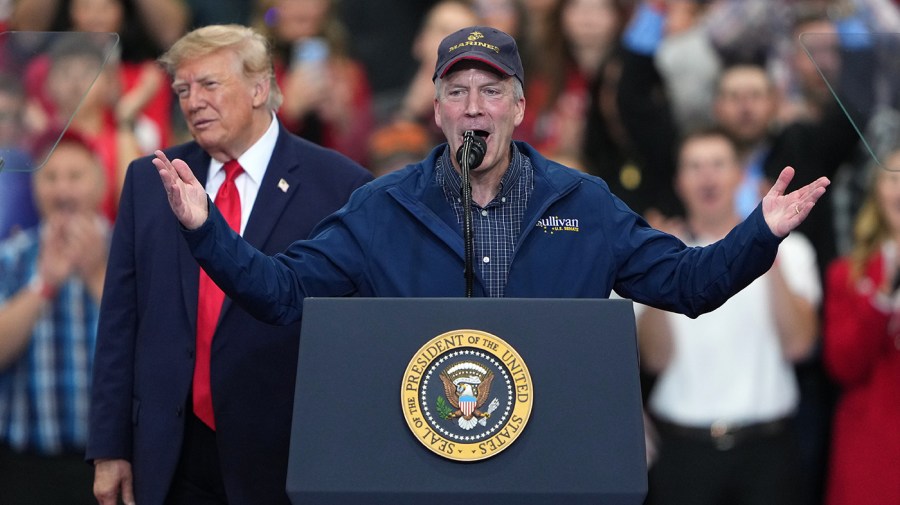
Democratic senators are particularly wary of the implications of Trump’s rhetoric, as they anticipate that he might rally his allies to challenge not only the Alaska results but also those from other competitive races across the country. The fear is that this could lead to a broader movement aimed at delegitimizing election outcomes, especially in races where Republicans are closely involved. Such actions could set a dangerous precedent, undermining public trust in the electoral system and the peaceful transfer of power.
The situation in Alaska serves as a microcosm of the larger national landscape, where election integrity and the acceptance of results have become contentious issues. Senators from both parties are aware that the fallout from disputed elections could have lasting effects on the political climate and voter confidence. The potential for a floor fight in the Senate underscores the heightened tensions surrounding elections in the current political environment, where partisan divisions are stark and deeply entrenched.
As the election date approaches, the dynamics in Alaska and other battleground states will be closely monitored. The outcome of these races could have significant implications for the balance of power in Congress and the political landscape moving forward. Senators are thus preparing for various scenarios, including the possibility of legal challenges and public protests, should the results be contested.
In conclusion, the looming possibility of a floor fight in the Senate over the Alaska Senate race highlights the fragile state of electoral politics in the U.S. today. With the specter of Trump’s influence and the potential for disputes over election results, lawmakers are bracing for a tumultuous period that could further polarize an already divided political landscape. The outcome of these contests will not only determine individual races but also reflect broader societal attitudes toward democracy and governance in America.




Related Posts


Stay Informed With the Latest & Most Important News
Newsletter Signup
Previous Post
Next Post