Now Reading: New book reviews featured in Christianity Today
- 01
New book reviews featured in Christianity Today

Article Summary
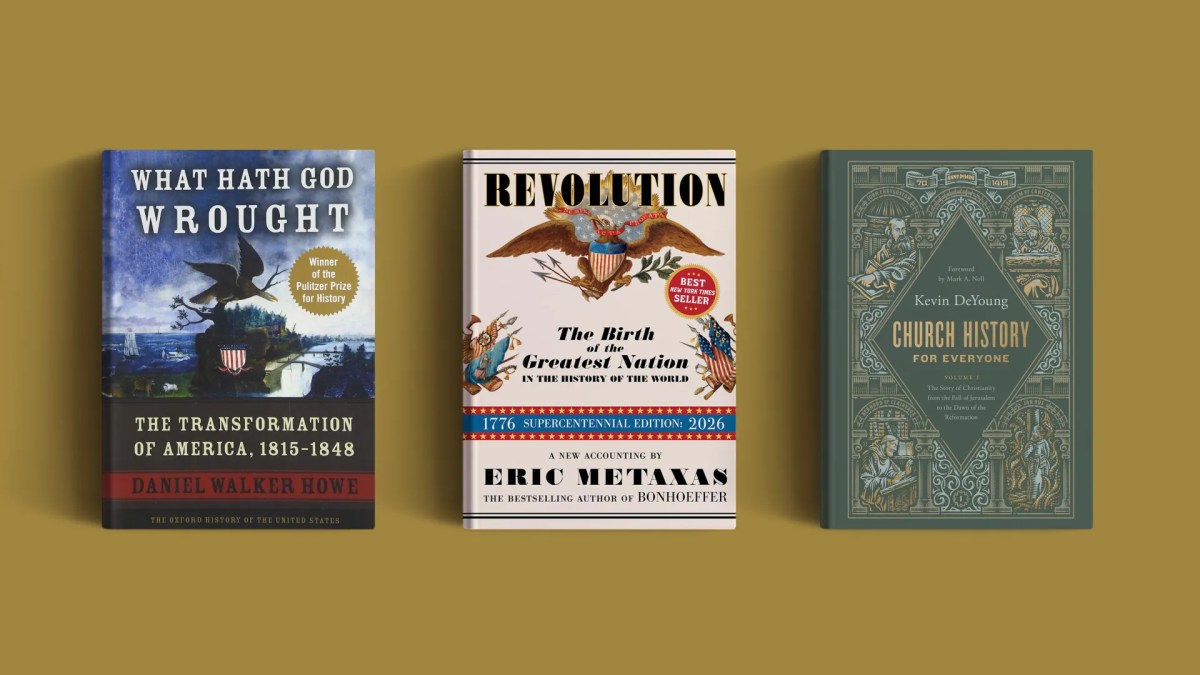
Kevin DeYoung's "Church History for Everyone" serves as the contemporary book in the review. Fea commends this work for its accessibility and engaging narrative style, making church history approachable for a broad audience. DeYoung covers significant events from the fall of Jerusalem to the dawn of the Reformation, effectively contextualizing the development of Christianity. The book is praised for its clarity and ability to convey complex historical themes in a manner that resonates with readers, fulfilling its promise to be a resource for everyone interested in the subject.
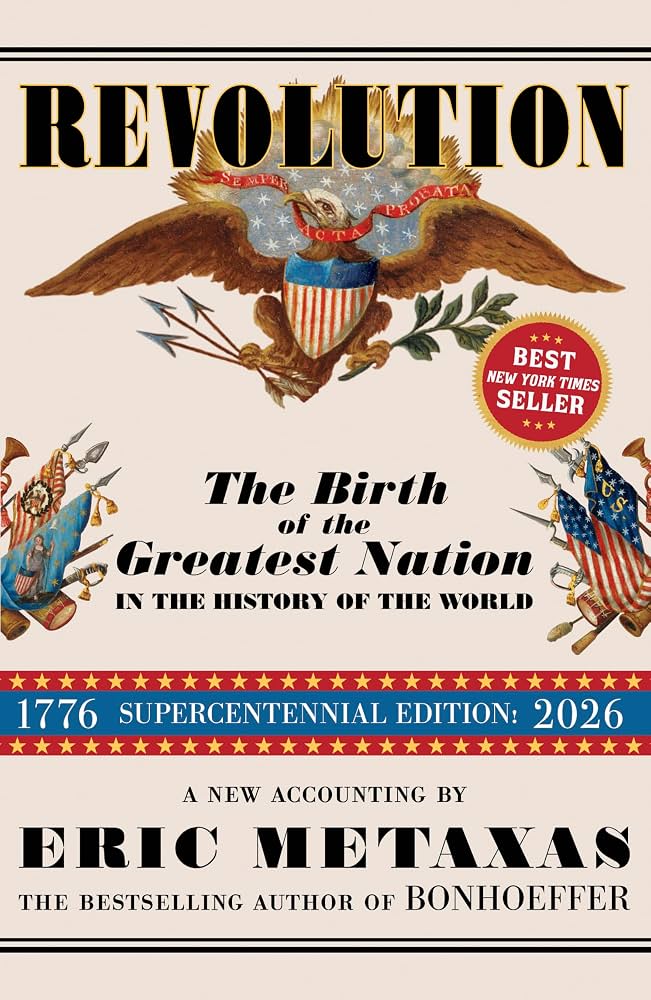
The second book reviewed is Eric Metaxas's "Revolution," which explores the American Revolution and its implications for the formation of the United States. Fea critiques Metaxas's approach, noting that while the book is passionate and well-written, it sometimes lacks a nuanced understanding of the complexities involved in the birth of the nation. Metaxas's portrayal of the Revolution as a singularly heroic event may oversimplify the historical context, which includes a variety of perspectives and motivations. Fea encourages readers to consider a broader range of historical interpretations when examining this pivotal period.
Finally, Daniel Walker Howe's "What Hath God Wrought" is highlighted as a significant older work that delves into the transformative period of American history between 1815 and 1848. Fea applauds Howe for his comprehensive analysis and scholarly depth, emphasizing how this book provides a rich understanding of the social, political, and cultural changes that shaped the United States during this era. Howe's meticulous research and narrative skill offer readers valuable insights into the complexities of American identity and development.
In conclusion, Fea's review showcases a diverse array of historical narratives that cater to different audiences and interests. While DeYoung's work stands out for its accessibility, Metaxas's passionate storytelling and Howe's scholarly rigor each contribute uniquely to the discourse on history. The review encourages readers to engage with these texts to gain a more rounded understanding of both church history and American history, reflecting the importance of diverse perspectives in the study of the past.




Related Posts

Stay Informed With the Latest & Most Important News
Newsletter Signup
Previous Post
Next Post
Previous Post

Next Post