Now Reading: Evangelical news highlights for October 30, 2026
- 01
Evangelical news highlights for October 30, 2026

Article Summary
One prominent controversy involves the deportation of Samuel Sey, which David French addresses, highlighting the tensions between immigration policy and Evangelical values. Meanwhile, Jim Wallis advocates for Christians to reject the "Trump brand," emphasizing a moral imperative to vote against candidates who do not align with their ethical beliefs. This sentiment is reinforced by reports of declining support for former President Trump among Evangelicals, indicating a potential shift in allegiance as the political landscape evolves.
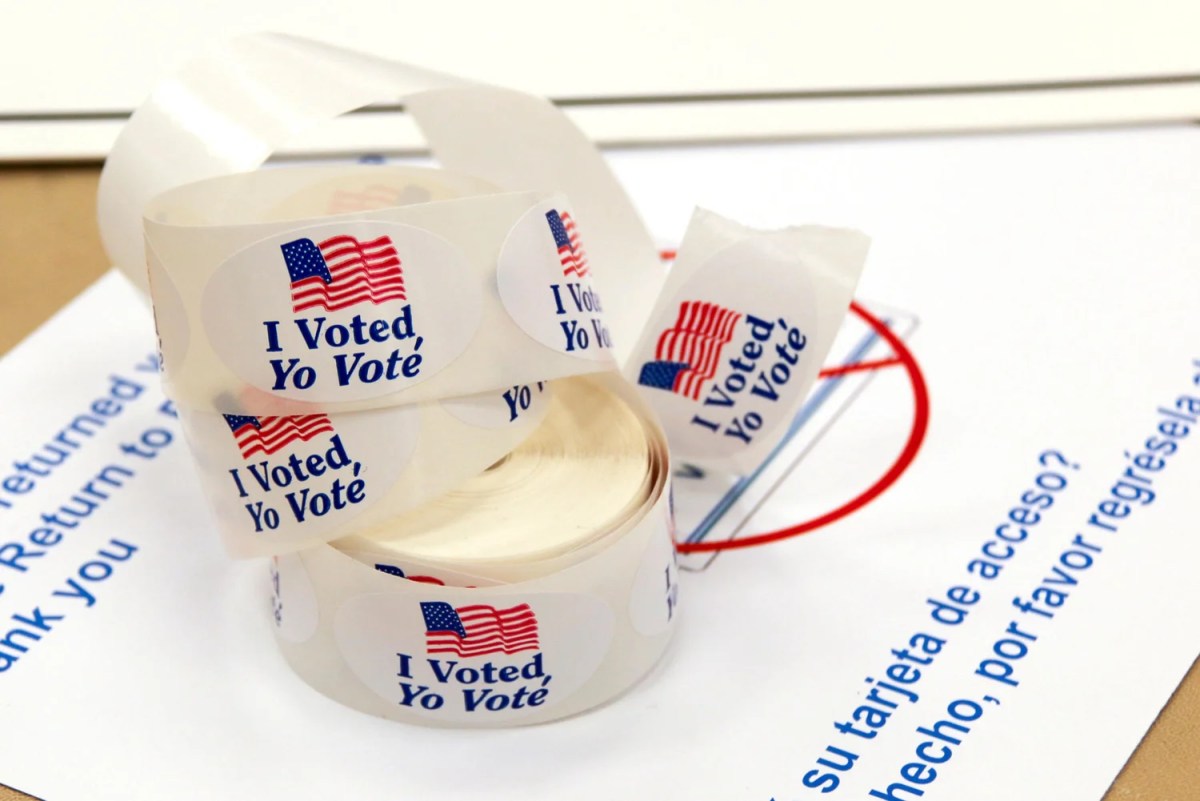
In California, a pastor urges Evangelicals to take action by voting, reflecting a broader call to civic engagement within the community. This push for participation is contrasted by the response of Evangelicals in England, who are opposing new legislation aimed at protecting LGBT individuals. Their concerns center around the potential implications for parental rights and the freedom to practice Christian teachings, illustrating the tension between social justice and religious convictions.
The discourse extends to various platforms, including interviews and podcasts, where figures like Demetrius Minor, an anti-death penalty advocate, share their perspectives on pressing social issues. Additionally, the narrative surrounding immigration is complicated by the spread of misinformation among Evangelicals, raising questions about the responsibility of faith leaders to address falsehoods within their communities. This situation underscores the challenges of maintaining a coherent Evangelical identity amid conflicting political narratives.
As the political landscape continues to evolve, discussions about the role of Christians in governance remain pertinent. Southern Baptist leaders emphasize that voting based on moral convictions does not equate to imposing religious beliefs on others. This notion is central to ongoing conversations about how Evangelicals should navigate their civic duties, particularly in light of upcoming elections. Events like the Compassion Awards presented by Christianity Today and the involvement of figures like Sean Feucht and Michael Wear further illustrate the active engagement of Evangelicals in shaping political discourse, reflecting both the challenges and opportunities present at this intersection of faith and politics.




Related Posts


Stay Informed With the Latest & Most Important News
Newsletter Signup
Previous Post
Next Post