Now Reading: Trump: America’s First Post-Christian President
-
01
Trump: America’s First Post-Christian President

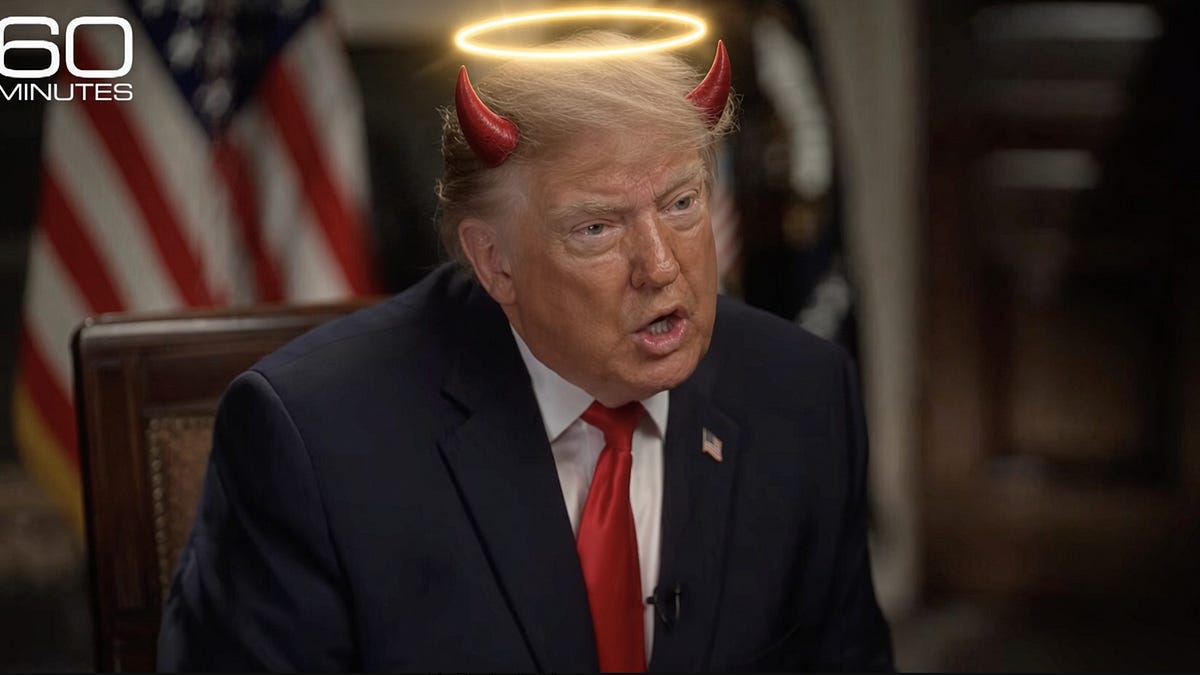
Article Summary
The author reflects on the implications of Trump's statement, likening it to the damned in Dante’s Inferno who are eternally trapped by their sins. Trump’s refusal to forgive signifies a deep-seated pride and attachment to his hatred, which he seems to prioritize over the fear of divine judgment. The author expresses pity for Trump, recognizing that despite his wealth and success, he remains spiritually impoverished by his inability to forgive. This scenario serves as a cautionary tale for Christians, illustrating the dangers of allowing hatred to define one's identity and choices.
The author draws parallels between Trump’s situation and personal experiences of seeking forgiveness for past grievances. They emphasize the moral duty to forgive, as taught by Jesus, and the spiritual peril of failing to do so. The author reflects on their own struggles with forgiveness, recognizing that true Christian faith involves striving towards compassion and mercy, even when it is difficult. This introspection underscores the belief that forgiveness is essential for salvation and spiritual health, contrasting sharply with Trump’s stated position.
In a broader context, the author critiques the current state of the Religious Right, suggesting that Trump embodies a troubling shift towards a "Post-Religious Right." This transformation is characterized by a growing acceptance of hatred and anger as valid responses to societal challenges. The author references Andrew Isker’s book, which advocates for a combative stance against perceived moral decay, illustrating a trend among some Christian leaders to embrace and teach hatred rather than love. This shift raises concerns about the spiritual health of the movement and its alignment with core Christian teachings.
Ultimately, the author calls for a return to the fundamental Christian principles of love, forgiveness, and humility. They express a desire for Christians surrounding Trump to confront him with the truth about his spiritual state, urging him to seek repentance and mercy while there is still time. The reflection concludes with a poignant reminder of the cost of allowing hatred to govern one’s life, echoing the biblical warning that gaining the world at the expense of one’s soul is a grave mistake. This examination of Trump’s beliefs and the broader implications for Christianity serves as a powerful reminder of the importance of forgiveness in the faith.




Related Posts

Stay Informed With the Latest & Most Important News
Newsletter Signup
Previous Post
Next Post