Now Reading: Electing John Thune Senate Minority Leader Would Be ‘Rewarding Failure’
-
01
Electing John Thune Senate Minority Leader Would Be ‘Rewarding Failure’

Article Summary
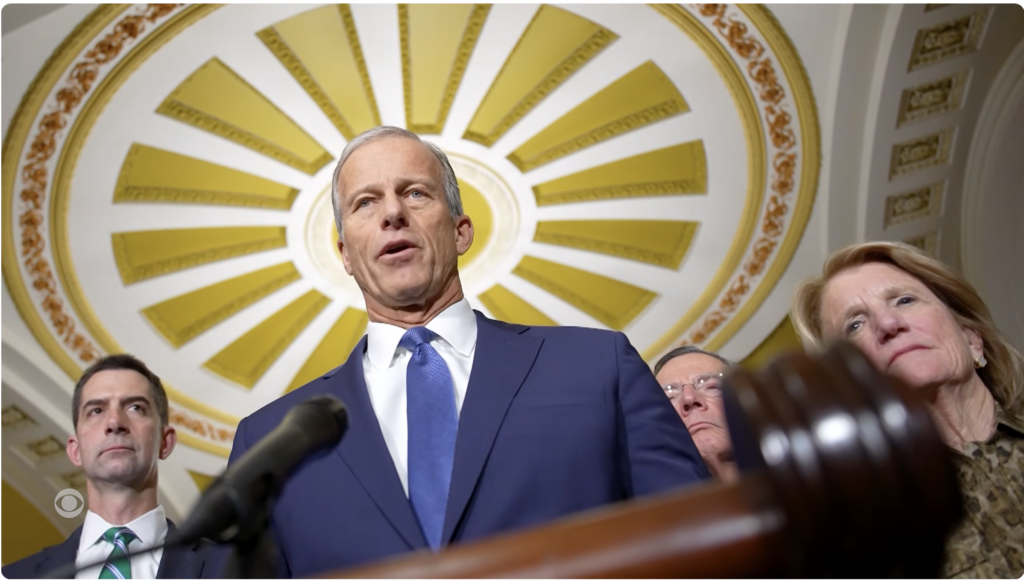
Critics of Thune, including Senators John Kennedy, Mike Lee, and Rick Scott, support Johnson's call for deliberation before electing new leadership. They argue that the party should not rush into decisions without assessing the implications of the recent electoral outcomes and the effectiveness of current leaders. Lee pointed out that the Senate GOP rules stipulate that leadership elections should occur after a week of Congress's commencement, not immediately following electoral defeats, suggesting that the party should take time to evaluate its leadership candidates based on their performance in the current majority.
Thune's defense of his leadership has been met with skepticism, particularly from conservative activists who argue that he failed to advance significant legislation, such as the SAVE Act, which aimed to enhance election integrity. Critics assert that Thune's leadership has not resonated with the grassroots Republican voters, many of whom felt disillusioned by the party's inability to deliver on key promises during the past two years. This disconnect between the leadership and the base could have contributed to the low voter turnout among conservatives in the recent elections.
The urgency of confirming judicial nominees before the new Congress convenes is another pressing issue highlighted by commentators. With a looming Democratic majority, there is a risk that critical judicial appointments may be stalled, leaving open seats that could be filled by more liberal judges. Mike Davis, an advocate for judicial appointments, emphasized that the next two months are crucial for confirming judges to ensure a balanced judiciary, as the incoming Democratic leadership is likely to obstruct Republican nominations.
In conclusion, the current situation within the Republican Senate highlights a significant divide between party leadership and its base. Many party members are calling for a reevaluation of leadership in light of recent electoral failures. The urgency of judicial confirmations adds another layer of complexity to the ongoing discussions about leadership and strategy, as the party grapples with its identity and direction moving forward. The outcome of these deliberations could significantly impact the GOP's effectiveness in the upcoming legislative sessions and its overall viability as a political force.




Related Posts


Stay Informed With the Latest & Most Important News
Newsletter Signup
Previous Post
Next Post