Now Reading: Why does ESPN allow Stephen A. Smith to make racist and bigoted comments about white athletes?
-
01
Why does ESPN allow Stephen A. Smith to make racist and bigoted comments about white athletes?
Why does ESPN allow Stephen A. Smith to make racist and bigoted comments about white athletes?

Article Summary
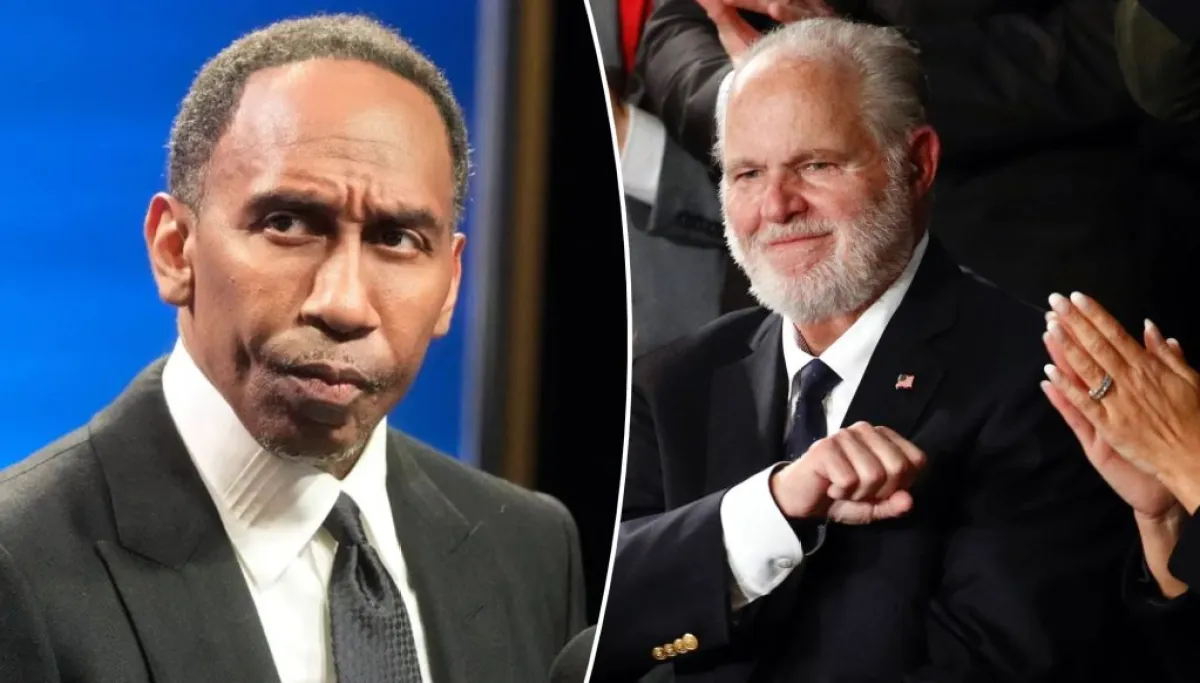
Smith's remarks, which implied that white players winning a championship would be surprising, exemplify a form of racism that contradicts the ideals of equality championed by civil rights leaders like Dr. Martin Luther King Jr. Rather than evaluating the players based on their athletic abilities, Smith's commentary relied on racial tropes reminiscent of the film "White Men Can’t Jump." His statements, which ESPN did not reprimand, highlight a troubling double standard in the treatment of racial commentary within sports media.
The disparity in consequences for racially charged statements became stark when comparing Smith's situation to that of Rush Limbaugh in 2003. Limbaugh was dismissed from ESPN for suggesting that media bias favored black quarterback Donovan McNabb, despite his comments being less overtly racist than Smith's. This historical context emphasizes the hypocrisy in how racial discussions are handled, with white commentators facing severe backlash for perceived insensitivity while similar remarks against white individuals go unchecked.
This pattern of allowing derogatory comments about white people reflects a broader societal double standard regarding racism. While there is a collective effort to eradicate discrimination, it often seems that these efforts do not extend to white individuals. The acceptance of bigoted remarks against white people raises questions about the integrity of anti-racism efforts and highlights a troubling inconsistency in the application of these principles.
Former NBA player Jay Williams courageously criticized Smith's comments, likening them to attitudes from earlier decades when racial dynamics were reversed. Williams pointed out the irony in questioning whether black players should permit white players to succeed, emphasizing that the fight against discrimination should not morph into perpetuating the same prejudices that have long been condemned. His remarks serve as a call to reflect on the true meaning of equality in sports and society at large.




Related Posts


Stay Informed With the Latest & Most Important News
Newsletter Signup
Previous Post
Next Post