Now Reading: In Dems’ latest move to address affordability, Gallego threatens Elon Musk with a subpoena
-
01
In Dems’ latest move to address affordability, Gallego threatens Elon Musk with a subpoena
In Dems’ latest move to address affordability, Gallego threatens Elon Musk with a subpoena

Article Summary
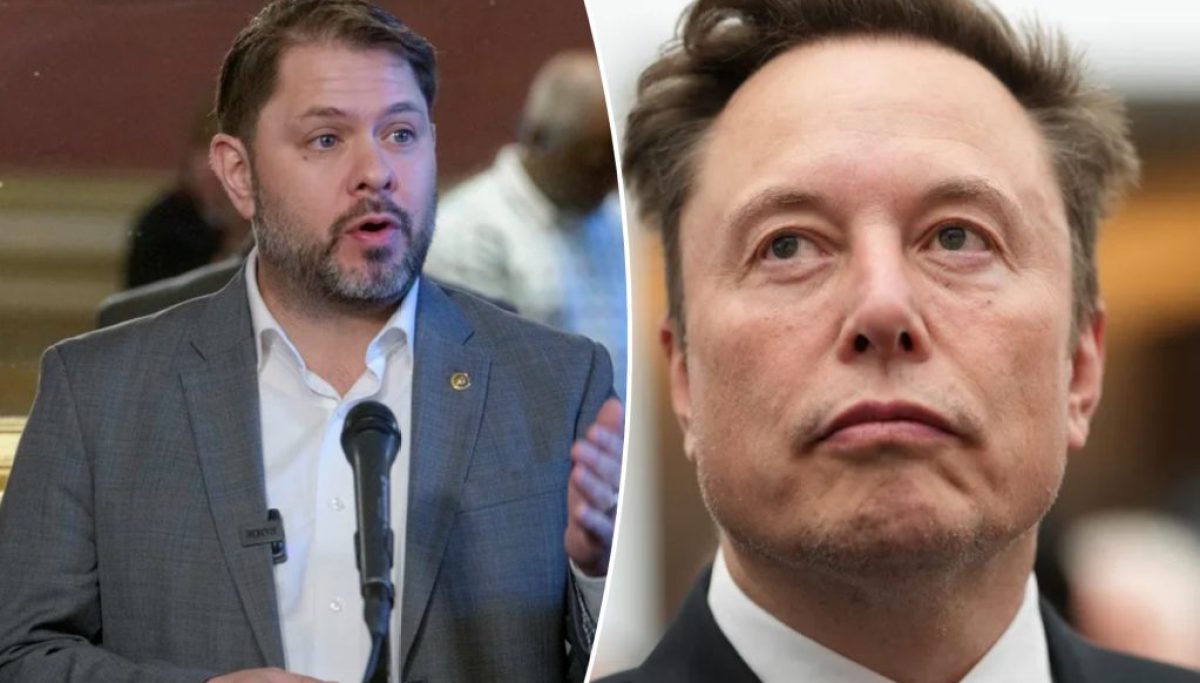
A notable example of this new approach is Sen. Ruben Gallego's threat to subpoena Tesla CEO Elon Musk, which he made in response to Musk's comments about his financial contributions during the midterms. Gallego's remark illustrates a broader trend among Democrats to utilize the legal system as a tool for political retribution rather than to engage in constructive dialogue about pressing issues like affordability. Critics argue that such tactics reflect a divisive and vengeful mindset, reminiscent of oppressive regimes in history.
The narrative that Democrats are more interested in revenge than in solving the affordability crisis is further supported by their post-election communications. Many Democratic representatives have issued similar threats, often prioritizing calls for legal accountability over discussions about practical solutions to economic challenges. This pattern suggests that the party may have misled voters regarding their genuine intentions, using the promise of addressing affordability as a mere facade to gain electoral power.
On election night, several Democrats wasted no time in announcing their plans for retribution, with posts that seemed to emphasize legal consequences rather than economic policies. For instance, Rep. Delia C. Ramirez and others made statements that indicated a readiness to pursue legal action against their political opponents. Such rhetoric raises questions about the Democrats’ commitment to the affordability issues they campaigned on, as their focus on political warfare appears to overshadow any substantive discussions on improving the economic situation for Americans.
Ultimately, the Democrats' post-election strategy seems to prioritize the consolidation of political power through intimidation and legal threats rather than addressing the affordability crisis that initially motivated voters. This shift has led to skepticism about their true motives, suggesting that the party may have manipulated public sentiment for electoral gain without a genuine plan to tackle the issues that affect everyday Americans.




Related Posts



Stay Informed With the Latest & Most Important News
Newsletter Signup
Previous Post
Next Post