Now Reading: How The Merely Rich Wield Power In The Age Of Billionaires
-
01
How The Merely Rich Wield Power In The Age Of Billionaires

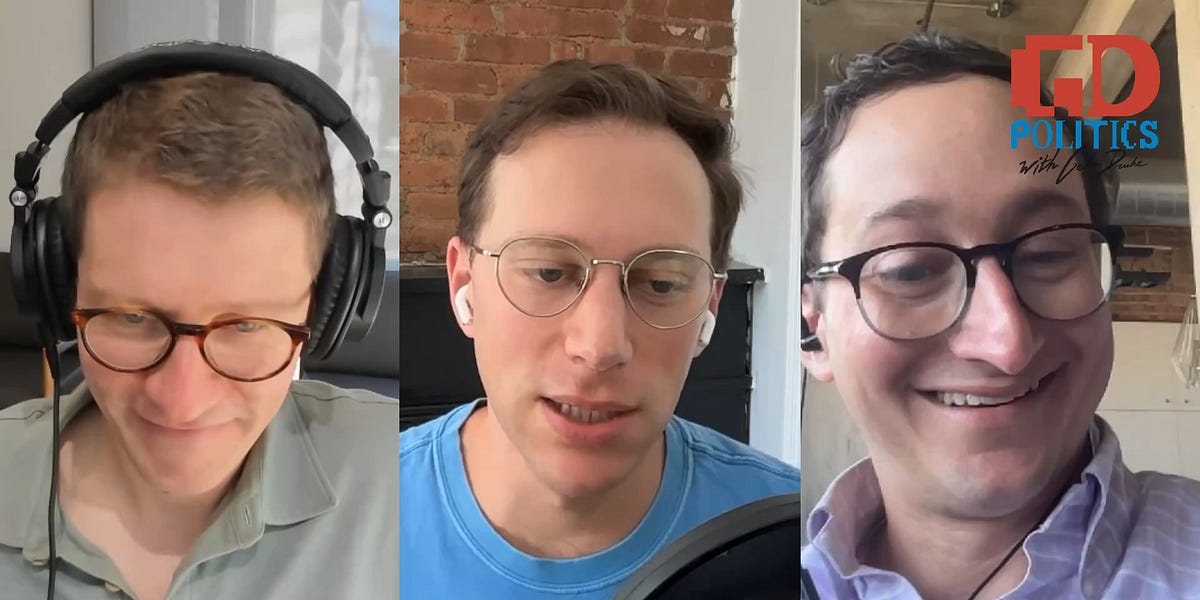
Article Summary
However, economists Owen Zidar and Eric Zwick argue that focusing solely on ultra-wealthy individuals can obscure the broader landscape of wealth in America. Their research emphasizes that a significant portion of the nation's wealth is derived from less glamorous sources, such as local businesses like car dealerships, dental practices, and construction firms. These business owners, while not as publicly recognized as tech billionaires, collectively wield considerable influence over economic policies, taxes, and the cost of living, shaping the everyday experiences of Americans.
In their book, "The Everywhere Millionaire: Who Is Really Rich in America and How They Got There," Zidar and Zwick explore how these millionaires have amassed their fortunes and the implications of their wealth on American society. They highlight the role of the tax code in facilitating wealth accumulation and suggest that the term "small business" can be misleading, as it encompasses a diverse range of enterprises that can achieve significant financial success. This insight challenges common perceptions of wealth and success, revealing alternative pathways to prosperity outside of elite educational or professional backgrounds.
The discussion also touches on how these business owners have managed to influence regulations and policies that benefit their interests, often at the expense of broader economic equity. Zidar and Zwick advocate for a more inclusive understanding of wealth that recognizes the contributions of these millionaires while also considering how more Americans can participate in economic success, whether through business ownership or employment in growing enterprises.
Ultimately, the conversation encourages a reevaluation of the narratives surrounding wealth in America. By shifting the focus from a narrow view of billionaires to the broader class of successful business owners, it opens up possibilities for addressing wealth inequality and creating a more equitable economic landscape for all Americans.




Related Posts
Stay Informed With the Latest & Most Important News
Newsletter Signup
Previous Post
Next Post