Now Reading: Democrats squabbling over how to contain Trump after Election Day
-
01
Democrats squabbling over how to contain Trump after Election Day

Article Summary
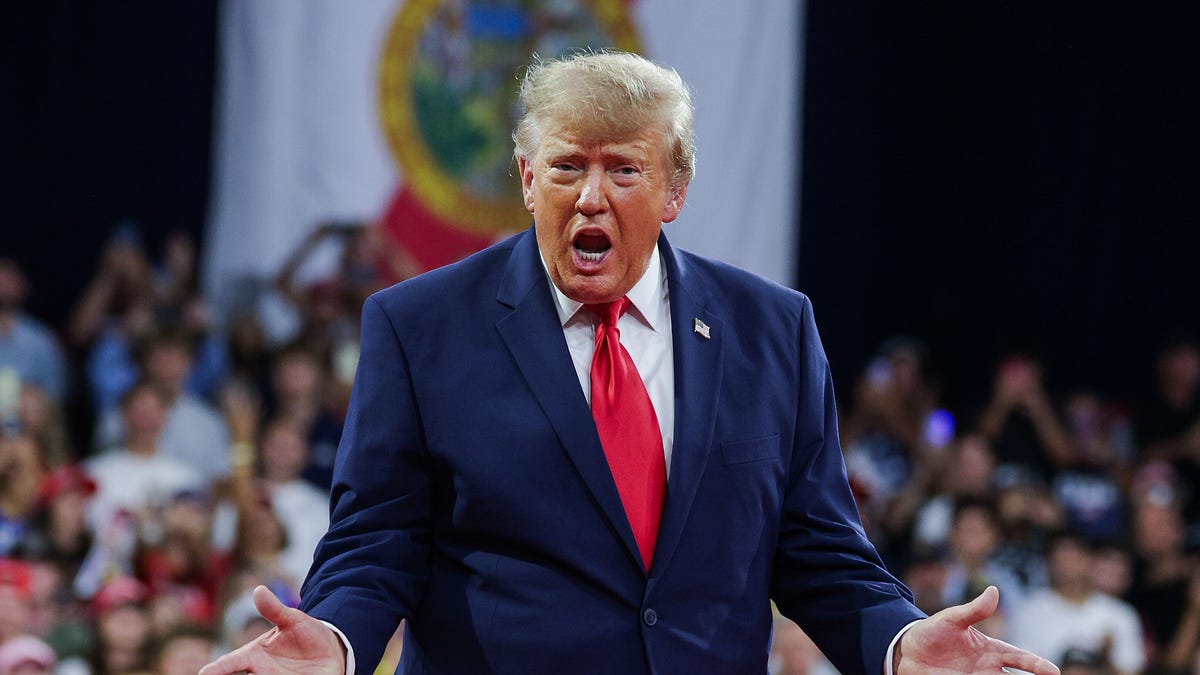
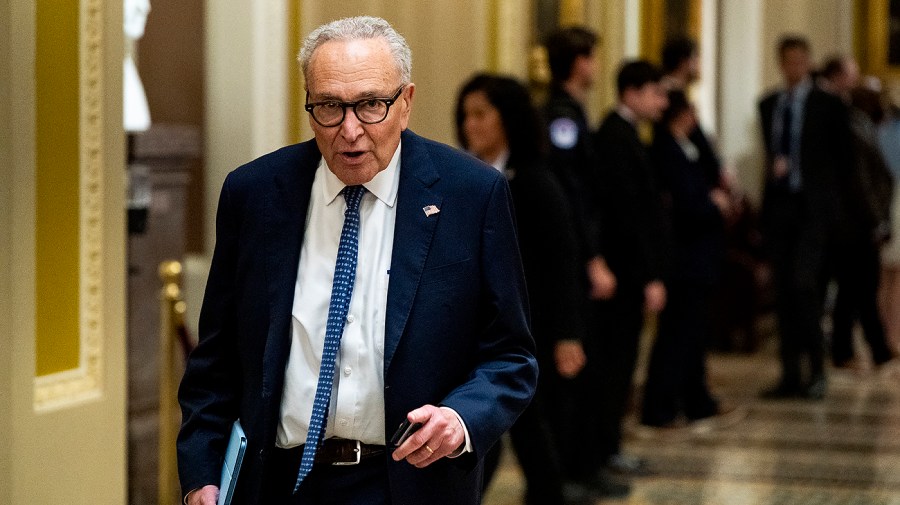
On one side, some Democratic lawmakers and strategists advocate for a bold approach, arguing that holding Trump accountable for his actions is essential not only for moral reasons but also for rallying their base ahead of the elections. They believe that emphasizing Trump’s controversial legacy could energize voters who are concerned about democracy and governance. However, this perspective is met with skepticism from others within the party.
Conversely, a faction of Democrats cautions against the risks of another impeachment effort. They argue that pursuing such a high-stakes strategy could backfire, alienating moderate voters and detracting from other pressing campaign issues. This group emphasizes the need to focus on the economy, healthcare, and other policies that directly impact the lives of constituents, rather than becoming embroiled in a contentious impeachment battle that might overshadow these critical topics.
The divide reflects broader concerns within the Democratic Party about how to effectively position themselves against Trump and his supporters. As they prepare for the elections, party leaders are weighing the potential benefits of a strong anti-Trump message against the risks of deepening partisan divides. Ultimately, the decision on how to approach Trump will likely play a significant role in shaping the Democratic campaign strategy moving forward.
As Democrats navigate these internal disagreements, their ability to unify around a common message will be crucial in the lead-up to Election Day. The outcome of this debate could significantly influence not only their electoral success but also the future direction of the party in a post-Trump political landscape.




Related Posts

Stay Informed With the Latest & Most Important News
Newsletter Signup
Previous Post
Next Post