Now Reading: Exploring the relationship between courts and Catholicism
- 01
Exploring the relationship between courts and Catholicism

Article Summary
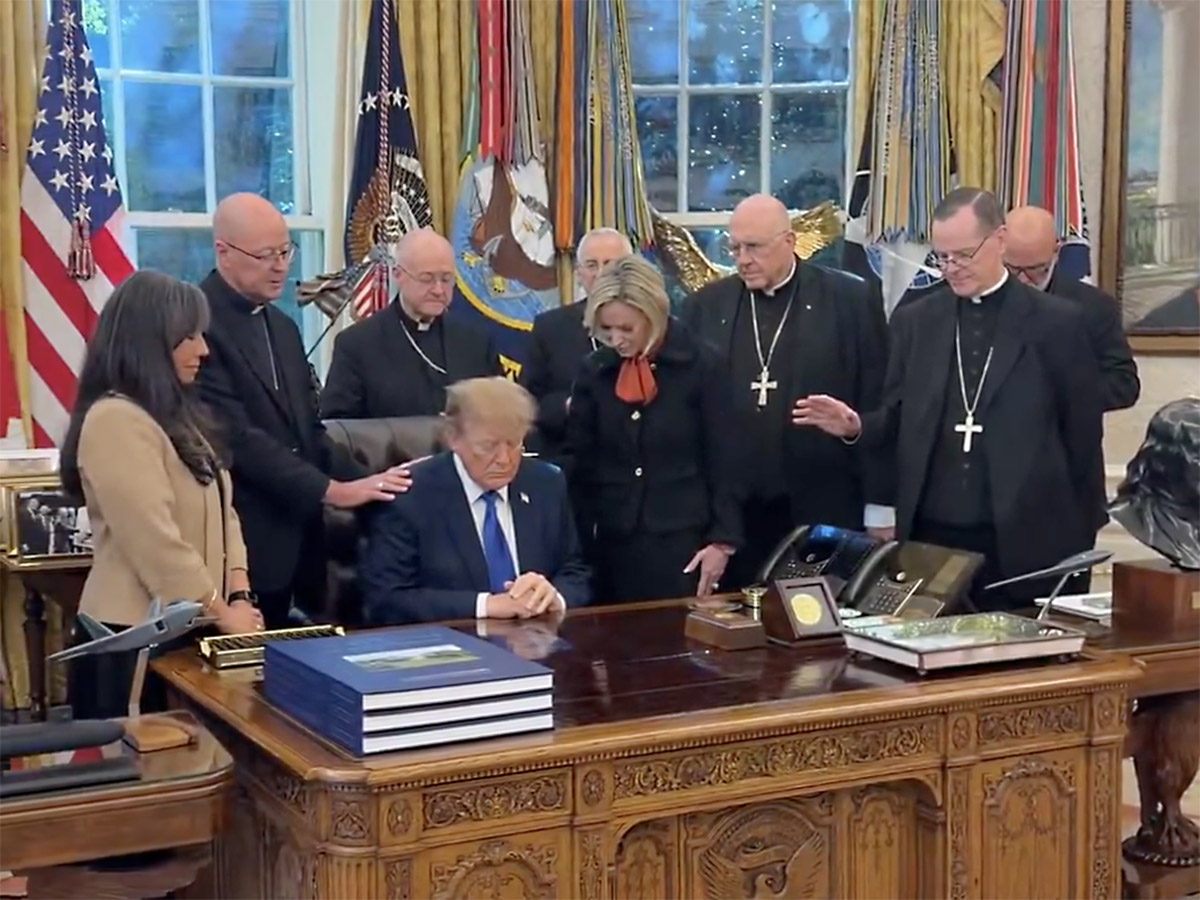
Recent events involving Catholic bishops have prompted Fea to consider a parallel concept: "court Catholics." A notable instance occurred when a video surfaced showing twelve Catholic bishops praying over Trump in the Oval Office, which led to backlash and accusations that the bishops were endorsing Trump’s political agenda. Following the video's release, some bishops expressed feelings of manipulation by the White House, with Archbishop Joseph Naumann of Kansas City stating that they were assured no photographs would be made public and that their intention was to discuss important policy matters.
The reaction among the bishops varied significantly. Archbishop James Golka of Denver defended the prayer, emphasizing that it was not intended as an endorsement and criticizing the media for creating disunity. He framed the act of praying for Trump as a pastoral duty, asserting that prayer is a fundamental aspect of their role as religious leaders. In contrast, Archbishop Jeffrey Grob of Milwaukee issued a public apology, expressing regret over the situation and lamenting that their sacred act of prayer had been manipulated for political purposes. Grob conveyed a sense of sadness over the misuse of their intentions and reflected on his initial reservations about the meeting.
Grob's sentiments were echoed by other bishops, including a spokesperson for Bishop James Wall, who indicated that the bishops were unaware a video would be taken during their meeting with Trump. The bishops had come to discuss pressing issues such as immigration and human dignity, aiming to contribute positively to society rather than to serve as props for a political photo opportunity. Grob's reflections emphasized the need for religious leaders to be cautious about their involvement with political figures and the potential consequences of their actions.
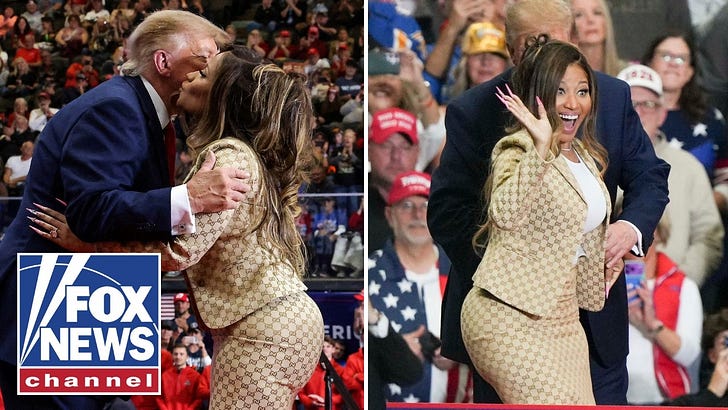
Fea critiques the bishops' experiences, particularly in light of the influence of Paula White-Cain, a prominent evangelical figure in Trump's administration. He suggests that the bishops may have underestimated the dynamics of the White House, where the Faith Office, led by White, primarily serves to maintain the support of evangelical constituents rather than engage in genuine policy discussions. Ultimately, the bishops' experiences serve as a cautionary tale about the intersection of faith and politics, illustrating the complexities and potential pitfalls of aligning closely with political power.




Related Posts


Stay Informed With the Latest & Most Important News
Newsletter Signup
Previous Post
Next Post