Now Reading: Islamic Terrorists Celebrate Dems’ Election Wins
-
01
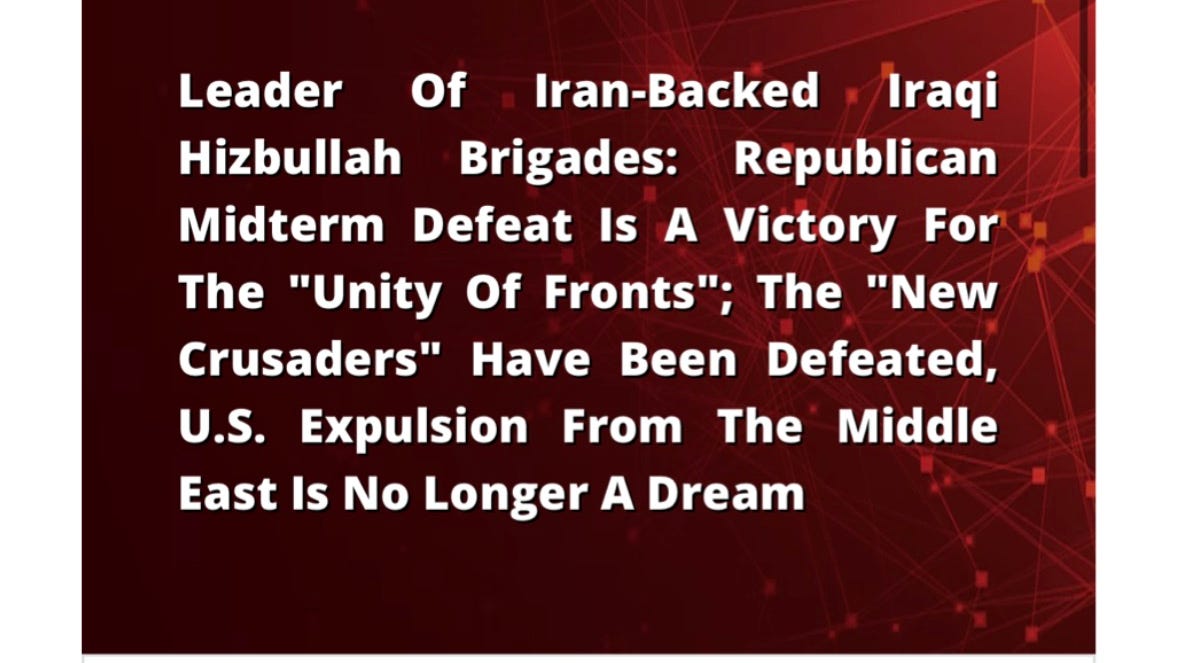
Islamic Terrorists Celebrate Dems’ Election Wins

Article Summary
The piece critiques the tendency of Americans, particularly Republicans, to view Islamic terrorism as a distant issue. It points out that this perspective leads to oversimplified narratives, such as blaming Iran for every political setback. The author emphasizes that the struggle against Islamic extremism is not confined to foreign lands but is an ongoing battle within the United States itself. This framing suggests that the implications of the recent elections extend beyond domestic politics, impacting national security and the fight against terrorism.
Furthermore, the author reflects on the frustrations stemming from former President Trump’s negotiations with Muslim leaders, which are depicted as ineffective and damaging to U.S. interests. The narrative implies that these failed negotiations have contributed to a perception of vulnerability, which may have emboldened terrorist groups and adversarial nations. The overarching theme is that the political dynamics in the U.S. are directly linked to the global landscape of terrorism and tyranny.
In conclusion, the content is a call to recognize the interconnectedness of domestic political outcomes and international security challenges. It suggests that the Democratic Party's electoral success has inadvertently signaled a win for those who oppose American ideals, thereby complicating the fight against terrorism. The urgency of addressing these issues is underscored, as the author believes that the battle against Islamic extremism is not just a matter of foreign policy but a pressing domestic concern as well.




Related Posts



Stay Informed With the Latest & Most Important News
Newsletter Signup
Previous Post
Next Post