Now Reading: Stephen Miller to become White House chief of staff, Trump announces
-
01
Stephen Miller to become White House chief of staff, Trump announces

Article Summary
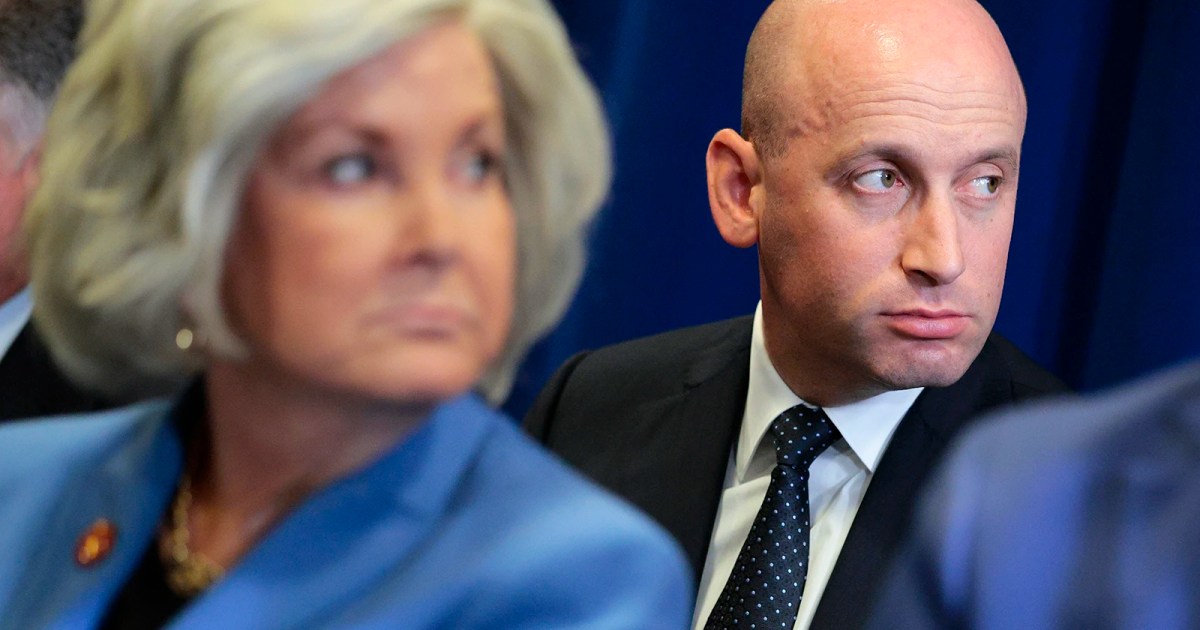
The decision to appoint Miller comes amid Trump's frustration over the Republican Party's performance in the elections, which he viewed as a significant rebuke of his policies. Insiders noted that Wiles had anticipated her departure, and her resignation was reportedly a proactive measure to ease Trump's decision-making. In her farewell message, Wiles emphasized her pride in the administration's achievements and her ongoing commitment to supporting Trump in the future, even as she transitioned to a role in the Trump Political Operation.
Miller's promotion has received mixed reactions within the administration. Supporters view him as a strategic choice, capable of rebuilding coalitions and reinforcing Trump's core policies. However, there is concern among some officials that Miller's elevation could reignite more extreme ideas that had previously been sidelined. With Trump contemplating potential bipartisan efforts, doubts remain about Miller's ability to engage effectively with Democrats, particularly given his controversial past.
Democratic lawmakers have already signaled their intent to investigate Miller's role in the administration, particularly regarding his involvement in immigration policies that have drawn significant criticism. Incoming House Oversight Committee Chairman Robert Garcia called Miller the architect of "unconstitutional" ICE raids and vowed to hold him accountable for his actions. This scrutiny reflects the broader political landscape following the midterms, where the Democratic majority in the House aims to challenge Trump's administration more aggressively.
As Miller prepares to take on the Chief of Staff role, his history of overseeing immigration enforcement and pushing for stringent policies raises questions about the future direction of the administration. With no senior official to counterbalance his decisions, Miller’s leadership may significantly influence Trump's approach to immigration and other contentious issues as the administration navigates a changing political environment.




Related Posts



Stay Informed With the Latest & Most Important News
Newsletter Signup
Previous Post
Next Post