Now Reading: Martin Wolf on Democratic Capitalism After Trump
-
01
Martin Wolf on Democratic Capitalism After Trump

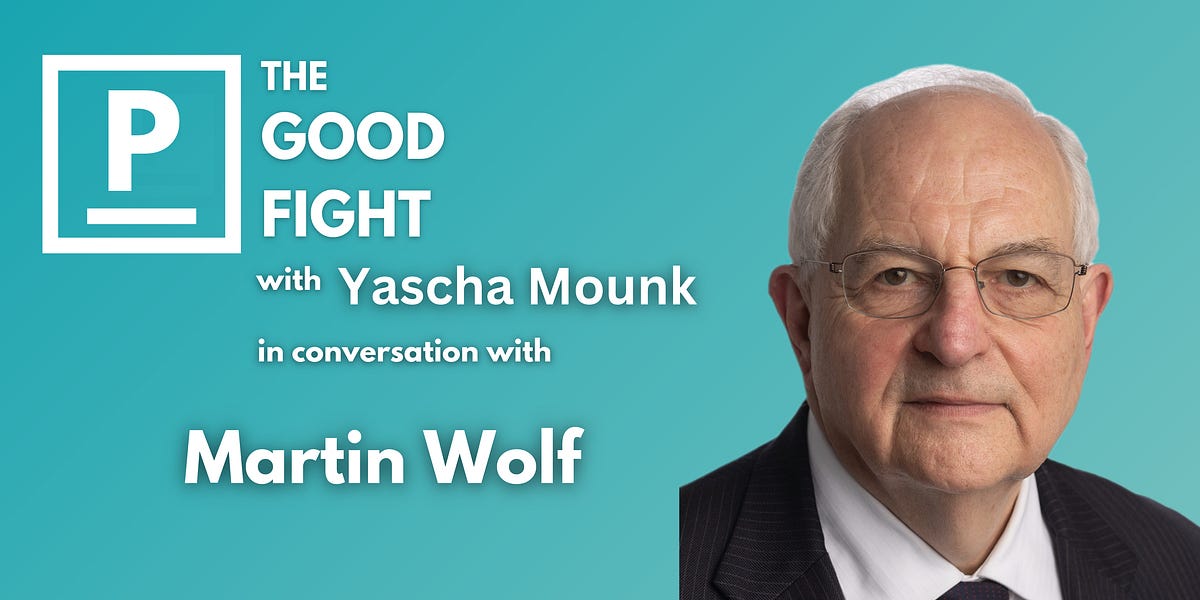
Article Summary
Wolf elaborated on the historical context of capitalism and democracy, emphasizing that the economic systems developed in the 19th and early 20th centuries created a more organized and powerful working class. This shift contributed to a democratic pressure that, for a time, seemed to reconcile the two systems. However, he observed that this reconciliation is now under threat, exacerbated by the emergence of radical political movements and the impact of technology, particularly artificial intelligence, which has complicated political organization and mobilization.
Yascha Mounk, the host of the discussion, pointed out that while Wolf's book had a somewhat optimistic tone, the newly added chapter reflects a more pessimistic view on the resilience of democratic capitalism in the face of populism. Mounk noted the potential for a cyclical pattern in governance, where countries oscillate between democratic and populist regimes without fully descending into dictatorship. This perspective suggests that while governance may become less effective and more irrational, it does not necessarily lead to a complete collapse of democratic systems.
Wolf acknowledged the complexity of the current political climate, drawing comparisons to South America, where governments often fluctuate between democratic and authoritarian tendencies. He argued that while many democracies are experiencing dysfunction, they are not entirely failing. This situation leads to a form of governance that is neither fully democratic nor fully autocratic, characterized by instability and ineffective leadership. He expressed concern that the stable democratic structures of the past may not endure, particularly outside of a few robust nations.
The conversation concluded with both Wolf and Mounk agreeing that the political landscape is not strictly binary but exists on a spectrum. They emphasized the importance of recognizing the nuances within governance systems, including the concept of competitive authoritarianism, where elections occur but are marred by significant inequalities in the political playing field. This nuanced understanding of political regimes suggests that while the threats to democracy are real, they may not spell the end of democratic governance but rather an evolution into a more complex and potentially dysfunctional political reality.




Related Posts


Stay Informed With the Latest & Most Important News
Newsletter Signup
Previous Post
Next Post