Now Reading: Popularity of the Iran War: An Overview
- 01
Popularity of the Iran War: An Overview

Article Summary
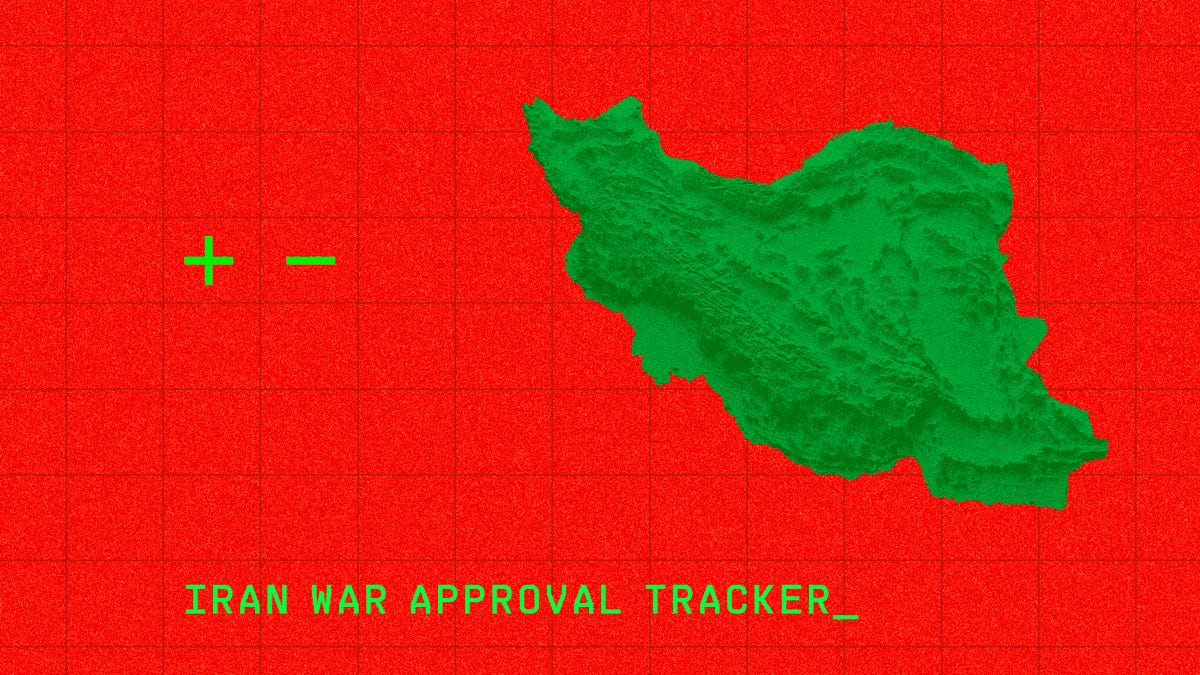
The data tracking public opinion on the Iran War is compiled on a dedicated landing page that has been regularly updated since the conflict began. This page provides a comprehensive overview of various polls assessing American attitudes towards military involvement in Iran. The methodology used to calculate the average support for the war emphasizes the weighting of more reliable polls, ensuring a more accurate representation of public sentiment. This approach mirrors the methodologies used for tracking President Trump's approval ratings, allowing for consistent analysis across different political issues.
The topline findings reflect a nuanced view of how the American public perceives the Iran War. The average comprises polls that specifically inquire about support for military action, strikes in Iran, or broader U.S. military involvement. Unlike standard approval ratings, questions surrounding war tend to be more complex and less straightforward. The analysis aims to focus on neutral questions that do not presuppose the war's progress or objectives, which helps to maintain objectivity in the polling data.
In terms of the surveys themselves, the data reveals a range of opinions. Some polls indicate a growing acceptance of military action as a necessary response to perceived threats, while others highlight significant concerns about the implications of such actions. The methodology used in these polls seeks to minimize bias by including a diverse array of respondents, including adults, registered voters, and likely voters, to ensure a representative sample of public opinion.
Overall, the evolving landscape of public sentiment regarding the Iran War reflects a complex interplay of factors, including political considerations, economic impacts, and the broader context of U.S. foreign policy. As the situation develops, continued tracking of these sentiments will provide valuable insights into how Americans view military engagement in the Middle East and the potential implications for future U.S. actions.




Related Posts


Stay Informed With the Latest & Most Important News
Newsletter Signup
Previous Post
Next Post