
Now Reading: Rep. Sarah McBride isn’t banned from bathrooms. He’s just a man who must use the men’s room
-
01
Rep. Sarah McBride isn’t banned from bathrooms. He’s just a man who must use the men’s room
Rep. Sarah McBride isn’t banned from bathrooms. He’s just a man who must use the men’s room

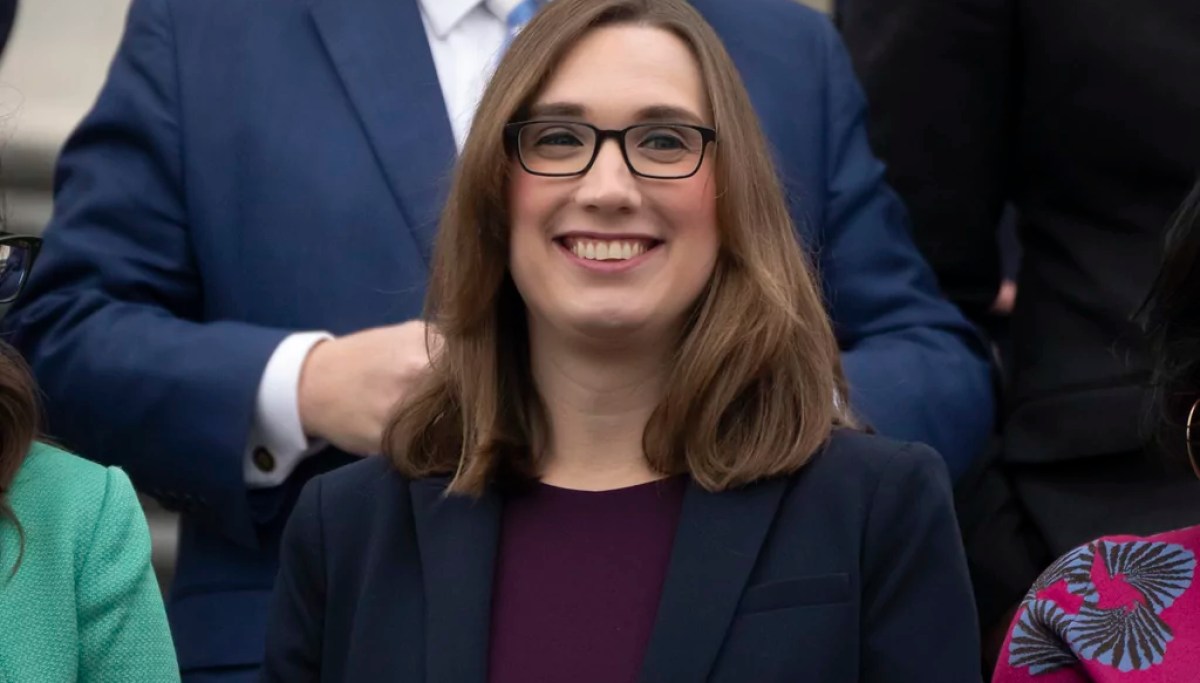
Article Summary
Critics argue that despite McBride's gender identity as a woman, he is biologically male, a point underscored by assertions that medical procedures and name changes do not alter one's biological sex. This perspective is rooted in a belief that biological differences, such as chromosomes and reproductive capabilities, are definitive and cannot be changed through social or medical transitions. The commentary suggests that while McBride identifies as a woman, he remains a man in biological terms, a viewpoint that is part of a broader cultural debate about gender identity and rights.
Looking ahead, the author expresses concern that the political landscape will shift significantly with the Democratic control of Congress, predicting a revival of what they term "radical gender ideology" and "woke" culture. They argue that previous assertions of "woke being dead" were premature and that these ideologies are poised for a resurgence, particularly with the Democrats likely to repeal or modify House Resolution 1579 soon after taking control. This anticipated change is seen as a direct challenge to conservative values regarding gender and identity.
The piece also references studies indicating higher rates of mental health issues among transgender and nonbinary individuals compared to their cisgender counterparts. These studies highlight concerns about mental health disparities, suggesting that many in the transgender community experience significant psychological challenges. The author posits that rather than addressing these issues through mental health support, the Left will continue to promote a narrative of authenticity in gender identity, framing transgender individuals as simply misunderstood rather than addressing the underlying mental health concerns.
Ultimately, the author contends that McBride may become a prominent figure in the Democratic push for transgender rights, serving as a symbol of the Left's cultural agenda. They predict that legacy media outlets will play a crucial role in shaping public perception and promoting narratives that align with progressive ideologies, potentially sidelining scientific discussions about mental health in favor of advancing a broader agenda of acceptance and recognition for transgender individuals. This situation reflects ongoing tensions in societal discourse surrounding gender identity, mental health, and the implications of political power shifts.




Related Posts


Stay Informed With the Latest & Most Important News
Newsletter Signup
Previous Post
Next Post