Now Reading: Rudy Giuliani defines the Presidential Medal of Freedom — from ‘America’s Mayor’ to his lasting impact on NYC crime
-
01
Rudy Giuliani defines the Presidential Medal of Freedom — from ‘America’s Mayor’ to his lasting impact on NYC crime
Rudy Giuliani defines the Presidential Medal of Freedom — from ‘America’s Mayor’ to his lasting impact on NYC crime

Article Summary
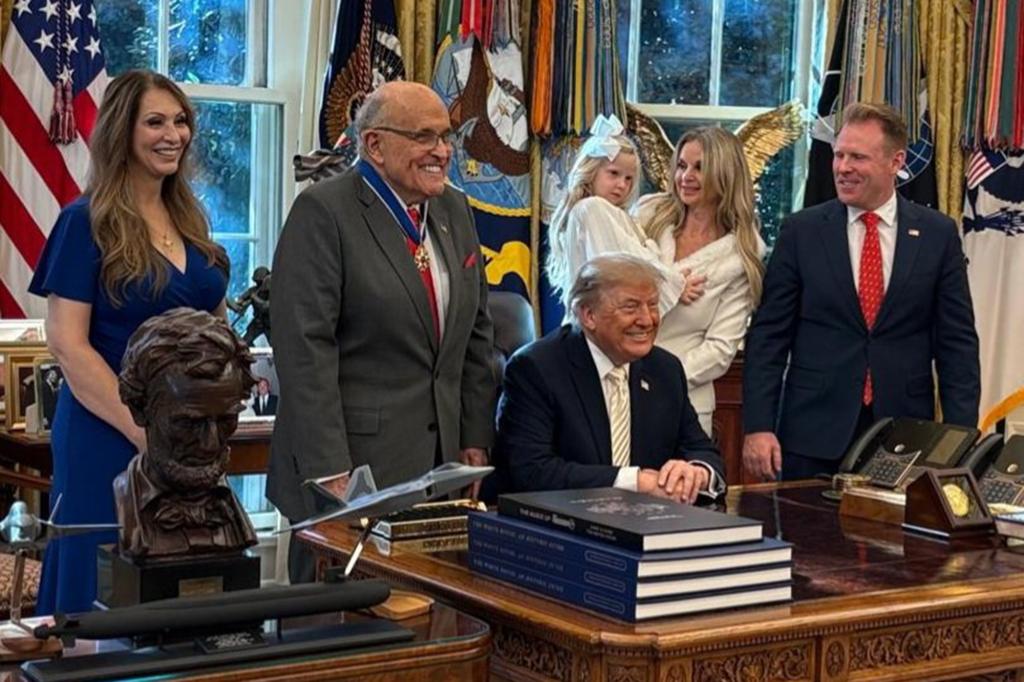
Giuliani's career is marked by significant achievements, particularly in crime reduction during his tenure as mayor. Before gaining national recognition, he served as a U.S. Attorney in the Southern District of New York, where he gained a reputation for tackling organized crime and corruption. His innovative approaches, such as the "federal day" initiative, helped bolster the NYPD’s efforts against street crime. Giuliani’s aggressive prosecution of mafia figures and corrupt politicians, including members of the Teamsters union and Bronx political leaders, established him as a formidable figure in law enforcement.
His political ascent began with a narrow defeat to David Dinkins in the 1989 mayoral race, which was marked by high voter turnout and intense campaigning. Giuliani’s anti-crime message resonated with voters, especially as crime rates soared during Dinkins’ term. In their rematch in 1993, Giuliani won decisively, implementing policies that drastically reduced crime in New York City. Collaborating with Police Commissioner Bill Bratton, he adopted the “broken windows” theory of policing, which emphasized the importance of addressing minor offenses to prevent more serious crimes. This strategy led to a significant drop in crime rates, with murders declining by nearly 70% during his first term.
Giuliani’s personal life faced challenges during his time in office, notably a tumultuous marriage that ended in public scrutiny. Nonetheless, his endorsement helped Michael Bloomberg succeed him as mayor after the 9/11 attacks, and Bloomberg continued Giuliani’s strategies to maintain public safety. Under Bloomberg's leadership, crime rates continued to decline, contributing to a thriving city environment. The legacy of Giuliani’s crime-fighting initiatives remains influential, setting a benchmark for subsequent mayors and police commissioners.
As New York City faces new leadership under Mayor Zohran Mamdani, comparisons with Giuliani’s era are inevitable. While crime rates have reached record lows, the current administration’s approach to policing diverges from Giuliani’s methods. Observers suggest that if Mamdani were to fully support and fund the NYPD, similar successes in public safety could be achieved. The historical context of Giuliani’s tenure serves as a reminder of the potential for transformative leadership in urban policing, emphasizing the importance of collaboration and trust between city officials and law enforcement.




Related Posts

Stay Informed With the Latest & Most Important News
Newsletter Signup
Previous Post
Next Post