Now Reading: The Complete Guide to Buying a Diamond: 10 Essential Questions Every Buyer Should Ask
-
01
The Complete Guide to Buying a Diamond: 10 Essential Questions Every Buyer Should Ask
The Complete Guide to Buying a Diamond: 10 Essential Questions Every Buyer Should Ask

The Complete Guide to Buying a Diamond: 10 Essential Questions Every Buyer Should Ask
Buying a diamond is one of the most significant purchases many people will ever make. Whether you’re shopping for an engagement ring, an anniversary gift, or a timeless piece of jewelry, understanding what you’re buying can help you make a smarter and more confident decision.
With so much information available online, it’s easy to become overwhelmed by technical terms, grading reports, and pricing differences. This guide answers the most common questions buyers ask before purchasing a diamond and provides practical advice to help you find exceptional value.
Why Are Diamonds So Popular?
Diamonds have long been associated with love, commitment, and luxury. Their remarkable durability, brilliance, and rarity have made them the preferred choice for engagement rings and fine jewelry for generations. Unlike most gemstones, diamonds offer a unique combination of sparkle, strength, and versatility that appeals to a wide range of buyers.
What Are the 4 Cs of Diamonds?
One of the most searched questions about diamonds involves the famous “4 Cs.” These are the primary factors used to evaluate a diamond’s quality and value:
- Cut refers to how well a diamond has been shaped and proportioned. A well-cut diamond reflects light efficiently, creating brilliance, fire, and sparkle. Many experts consider cut the most important factor because it directly affects a diamond’s visual beauty.
- Color is graded on a scale that measures the presence of yellow or brown tint. Generally, diamonds with less visible color are considered more valuable, although some buyers intentionally choose warmer tones for aesthetic reasons.
- Clarity measures the presence of internal characteristics and surface imperfections. Most inclusions are microscopic and cannot be seen without magnification. The goal is often to find a diamond that appears clean to the naked eye.
- Carat Weight refers to a diamond’s weight. Larger diamonds are rarer and usually more expensive, but size alone does not determine beauty or value.
How Can You Tell if a Diamond Is Real?
Authenticity is one of the biggest concerns for diamond buyers. Natural diamonds, lab-grown diamonds, and diamond simulants can appear similar at first glance. The most reliable method of verification is a professional grading report from an independent gemological laboratory. A certified diamond provides confidence regarding authenticity, quality, and value.
Should I Buy a Natural or Lab-Grown Diamond?
This question has become increasingly common in recent years. The answer ultimately depends on what you value most.
Natural Diamonds formed deep within the earth over billions of years. Many buyers appreciate their rarity, history, and traditional appeal.
Lab-Grown Diamonds possess close chemical and physical properties as natural diamonds but are created using technology in factories mostly oversees. They can offer a larger appearance for a lower initial purchase price, but they are manufactured products rather than rare natural stones.
At The Diamond Bar, we have chosen to specialize exclusively in natural diamonds. While synthetic diamonds have a place in today’s market, we believe consumers should clearly understand the difference between a naturally formed stones and one that is manufactured in a factory.
Our philosophy is simple: an engagement ring should represent something as rare and enduring as the commitment it symbolizes. Because natural diamonds are finite and cannot be manufactured, we believe they remain the superior choice for celebrating life’s most meaningful moments.
We also believe buyers deserve transparency. Synthetic diamond prices have declined significantly as production has increased, and we encourage every client to understand the long-term market differences before making a purchase. Many consumers have been given unrealistic expectations regarding their long-term value.
Ultimately, the right choice depends on your priorities. If your focus is maximizing size for your budget, a synthetic diamond may appeal to you. If you value rarity, natural origin, ability to upgrade and owning a stone created by nature, a natural diamond is the clear choice.
Lab-grown diamond production has increased dramatically in recent years, causing wholesale prices to decline significantly (current wholesale value is around $50-$100 per carat for most shapes and sizes) as manufacturing has become more efficient. Because they can be produced in unlimited quantities, their resale value has generally not kept pace with natural diamonds, which remain a finite natural resource. While some retailers continue to sell lab-grown diamonds at substantial markups, others have begun using them as promotional items or heavily discounting them, reflecting the rapidly changing market.
Which of the 4 Cs Is Most Important?
While all four factors contribute to value, many jewelers and gemologists consider cut to be the most influential. An exceptional cut can make a diamond appear brighter, more brilliant, and visually larger than a poorly cut diamond of greater size. For buyers working within a budget, prioritizing cut quality often provides the greatest visual impact.
How Much Should I Spend on a Diamond?
There is no universal rule for determining how much to spend on a diamond. Instead of following outdated spending formulas, buyers should establish a budget based on personal financial goals and priorities.
Factors affecting diamond prices include carat weight, cut quality, color grade, clarity grade, certification, shape, and natural versus lab-grown origin. The best diamond is one that offers the right balance of beauty, quality, and affordability.
What Diamond Shape Is Most Popular?
Diamond shape significantly influences appearance and style. Trends of popular diamonds are often influenced by celebrity proposals and interactions on social media. Current popular choices include:
- Round Brilliant — The most traditional and brilliant diamond shape.
- Oval — Elegant and flattering on many hand shapes.
- Cushion — Soft corners create a classic, romantic appearance.
- Emerald — Known for its sophisticated and clean lines.
- Pear — Distinctive and eye-catching.
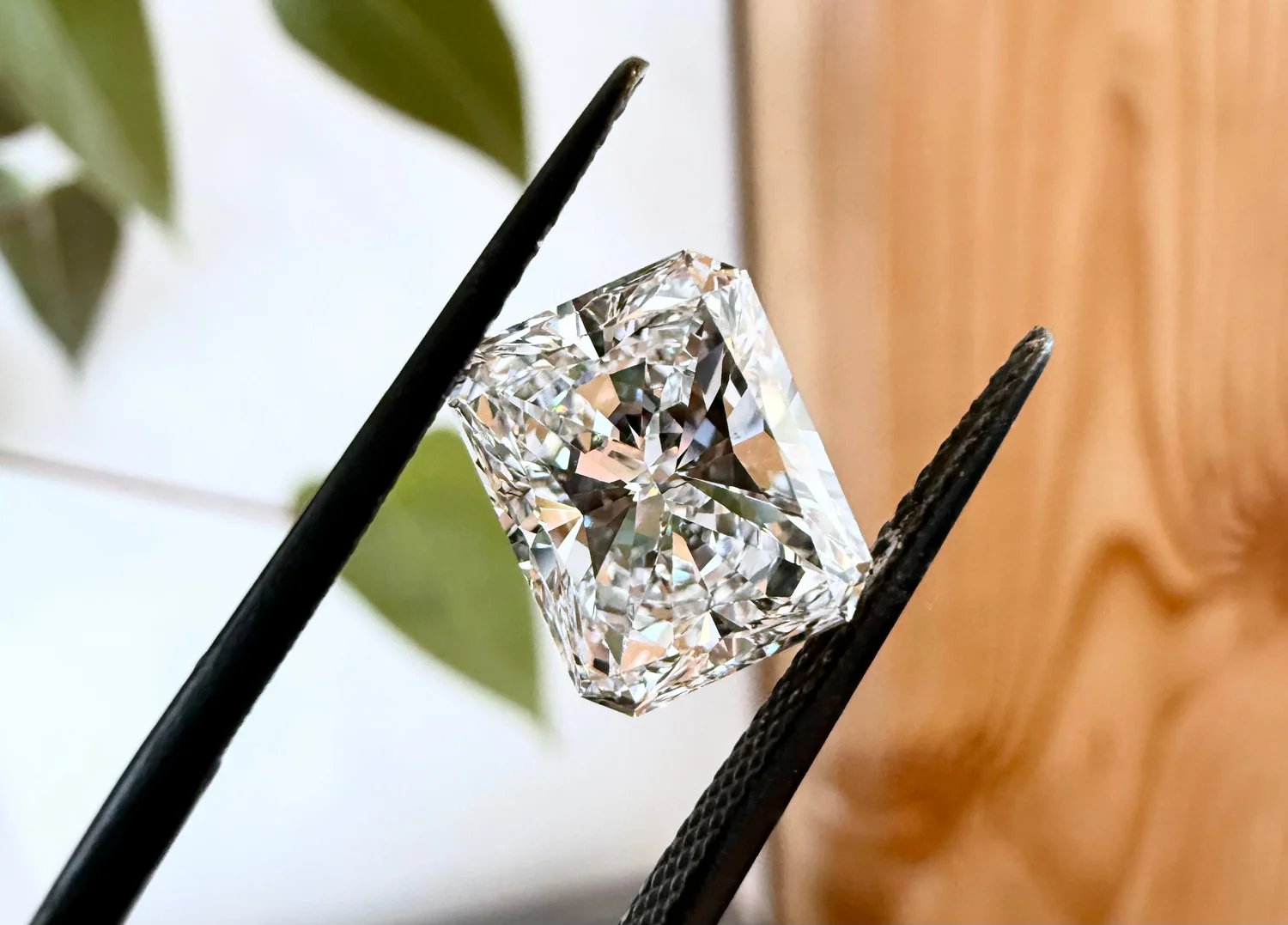
- Radiant — Combines strong sparkle with modern styling.
Shape is ultimately a matter of personal preference rather than quality.
What Diamond Clarity Grade Should I Choose?
Many buyers worry about purchasing a diamond with imperfections. In reality, most inclusions are invisible without magnification. Rather than paying a premium for flawless clarity, many consumers focus on finding an “eye-clean” diamond that appears flawless during normal viewing. This strategy often allows buyers to maximize size or cut quality while staying within budget.
What Diamond Color Grade Offers the Best Value?
The highest color grades are not always necessary for a beautiful diamond. Many buyers find excellent value in near-colorless diamonds, which can appear virtually colorless once mounted in a ring. The ideal color grade depends on factors such as budget, metal choice, personal preference, and diamond shape. A balanced approach often delivers the best overall value.
Does Diamond Certification Matter?
Absolutely. A reputable grading report provides an objective assessment of the diamond’s characteristics. Certification helps verify authenticity, cut quality, color grade, clarity grade, and carat weight. When making a significant purchase, independent certification offers transparency and peace of mind.
Are Diamonds a Good Investment?
Many buyers wonder whether diamonds increase in value over time. While certain exceptionally rare diamonds have appreciated in value, most diamonds should be viewed as luxury purchases rather than traditional investments. Factors that can contribute to long-term value include exceptional rarity, high-quality grading, larger carat weight, desirable natural color, and continued market demand.
When we help clients create an engagement ring, we often compare it to purchasing a piece of art. There are many levels of art, and its value is often determined by rarity, craftsmanship, and the personal meaning it holds for its owner. A beautiful diamond is much the same. It is something to be admired, worn, and treasured for generations.
It’s also helpful to think about the products we buy every day. Most items like cars, electronics, furniture, and clothing begin to depreciate the moment they leave the store. Even if they remain in excellent condition, you generally can’t return them years later and receive your full purchase price back. At best, you may receive only a fraction of what you originally paid.
Diamonds are no different. While they retain intrinsic value and some exceptional stones may increase in worth over time, they should be purchased because they represent life’s most meaningful moments. They should not be purchased because they are expected to generate financial returns. The greatest value of a diamond is often found in the memories it symbolizes, the craftsmanship behind it, and the legacy it can carry from one generation to the next.
Why Do Some Diamonds Sparkle More Than Others?
Two diamonds of identical size can appear dramatically different. Sparkle is influenced by several factors, including cut precision, light performance, symmetry, and polish quality. This is why a smaller, expertly cut diamond can sometimes appear more impressive than a larger stone with poor proportions.
How Do You Choose the Right Diamond Ring Setting?
The setting affects both appearance and protection. Popular setting styles include:
- Solitaire — Classic and timeless.
- Halo — Enhances visual size and sparkle.
- Three-Stone — Represents past, present, and future and gives a fuller feel
- Hidden Halo — Adds subtle brilliance from multiple angles.
- Vintage-Inspired — Features intricate detailing and character.
The ideal setting should complement the diamond while matching the wearer’s lifestyle and aesthetic preferences.
Common Mistakes to Avoid When Buying a Diamond
Many first-time buyers make avoidable mistakes. Common pitfalls include focusing only on carat weight, ignoring cut quality, buying without certification, overpaying for unnecessary clarity grades, not comparing multiple options, and choosing based solely on price. Taking time to understand the fundamentals can lead to a far more satisfying purchase.
How Do You Care for a Diamond Ring?
Although diamonds are extremely durable, regular care helps maintain their brilliance. Recommended maintenance includes cleaning with mild soap and warm water, removing jewelry during heavy physical work, scheduling professional inspections, checking prongs periodically, and storing jewelry separately to prevent scratching. Proper care can keep a diamond looking beautiful for generations. We highly recommend never working out or swimming in your jewelry.
Final Thoughts
Buying a diamond doesn’t have to be complicated. By understanding the 4 Cs, certification, diamond shapes, and the differences between natural and lab-grown options, you’ll be equipped to make an informed decision. The perfect diamond isn’t necessarily the largest or most expensive stone available. It’s the diamond that best fits your budget, reflects your style, and holds personal meaning. When beauty, quality, and value come together, you’ve found a diamond worth celebrating.
Read the original article written by Chris Phillips at The Diamond Bar.




Related Posts
Stay Informed With the Latest & Most Important News
Newsletter Signup
Previous Post
Next Post