Now Reading: The Complete Guide to Buying Spinel: Everything You Need to Know Before Purchasing a Spinel Ring
-
01
The Complete Guide to Buying Spinel: Everything You Need to Know Before Purchasing a Spinel Ring
The Complete Guide to Buying Spinel: Everything You Need to Know Before Purchasing a Spinel Ring

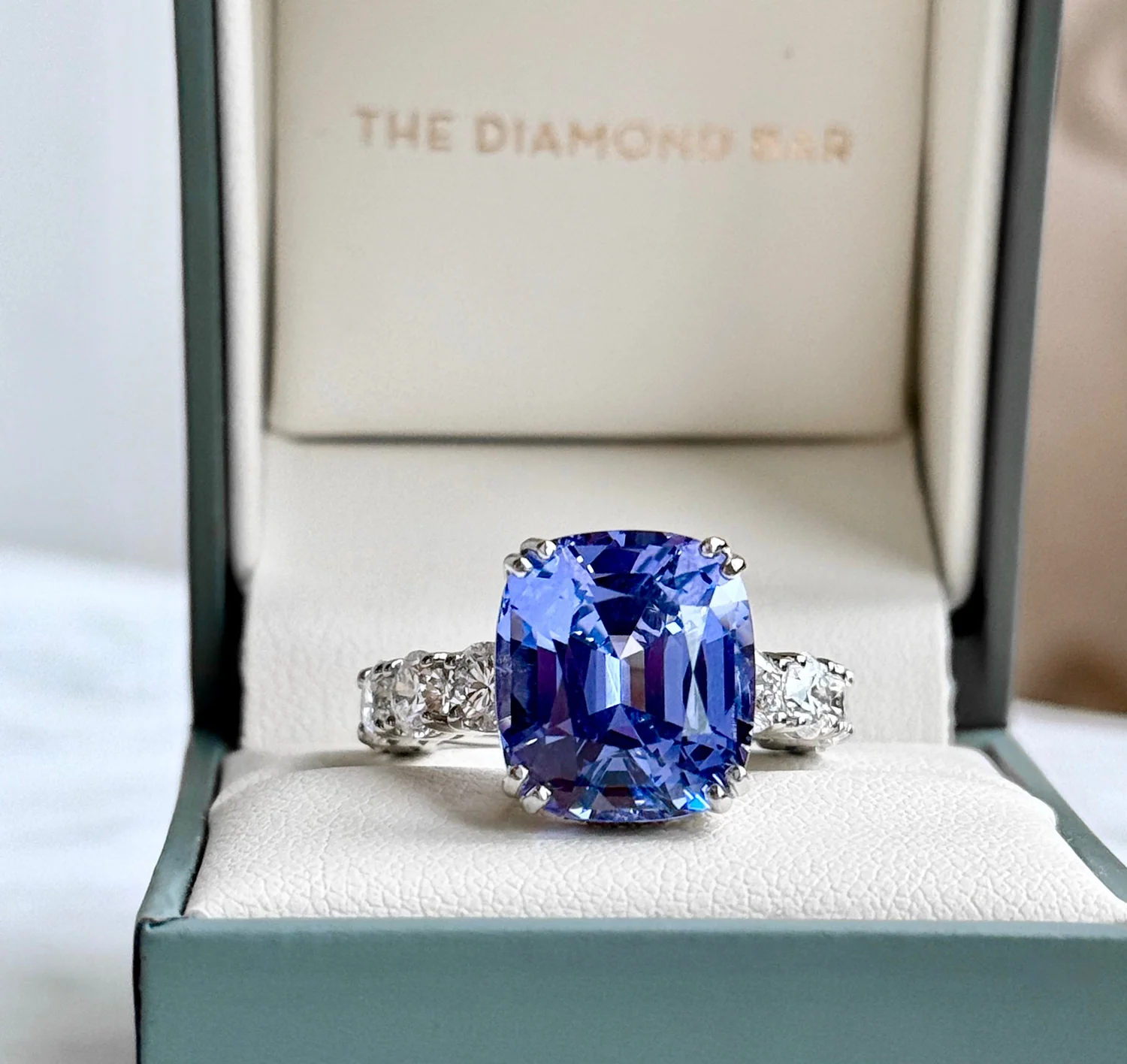
For decades, spinel remained one of the jewelry world’s best-kept secrets. Often overshadowed by rubies, sapphires, and diamonds. Spinel is now gaining recognition among collectors, jewelry enthusiasts, and engagement ring buyers seeking something unique.
Known for its exceptional brilliance, impressive durability, and stunning range of colors, spinel offers a rare combination of beauty and value. Yet many buyers are unfamiliar with the gemstone and often have questions before making a purchase.
This guide answers the most common questions people ask when shopping for spinel and explains why this remarkable gemstone is becoming one of the fastest-growing choices in fine jewelry.

What Is Spinel?
Spinel is a naturally occurring gemstone that comes in a variety of colors.
Historically, many famous red spinels were mistaken for rubies because of their similar appearance. Modern gemology has since identified spinel as its own distinct gemstone species with unique characteristics and exceptional beauty.
Today, spinel is prized for its brilliance, rarity, and natural beauty.

Is Spinel a Real Gemstone?
One of the most common questions buyers ask is whether spinel is a genuine gemstone.
The answer is yes.
Natural spinel is a valuable gemstone that forms naturally within the earth. It is not an imitation ruby, synthetic gemstone, or gemstone substitute.
Although spinel is less widely known than ruby or sapphire, it is highly respected among gem collectors and gemstone professionals.
Why Is Spinel Becoming So Popular?
Several factors have contributed to spinel’s growing popularity.
Buyers are increasingly attracted to:
- Unique colors
- Excellent brilliance
- Natural untreated material
- Relative rarity
Many consumers also appreciate owning a gemstone that is less common than traditional choices. For those seeking individuality, spinel offers something refreshingly different.

Is Spinel Suitable for Engagement Rings?
Absolutely.
Spinel is durable enough for everyday wear and performs well in engagement ring settings. With a hardness of approximately 8 on the Mohs scale, spinel offers strong resistance to scratches and daily wear.
Its durability, combined with its brilliance and color variety, makes it an increasingly popular alternative to more traditional engagement ring gemstones.
What Colors Does Spinel Come In?
One of spinel’s most appealing characteristics is its extraordinary color range.
Popular spinel colors include:
- Red Spinel: Often compared to fine ruby, red spinel is among the most sought-after varieties.
- Pink Spinel: Known for its vibrant and romantic appearance.
- Blue Spinel: Ranges from soft steel blue to vivid cobalt-like hues.
- Lavender and Purple Spinel: Popular among buyers seeking distinctive and uncommon colors.
- Gray Spinel: Modern, sophisticated, and increasingly fashionable.
- Black Spinel: Bold and dramatic with a contemporary aesthetic.
The wide variety of colors allows buyers to find a gemstone that reflects their personal style.

Is Spinel Better Than Ruby?
This is one of the most frequently searched spinel questions.
The answer depends on what you’re looking for.
Ruby generally commands higher prices due to historical demand and rarity. However, spinel offers several advantages:
- Greater affordability for a nicer quality
- Exceptional brilliance and clarity
- Frequently untreated material
- Unique color options
- True red color
Many buyers choose spinel because it provides remarkable beauty without the premium pricing often associated with fine rubies.

Does Spinel Need Treatment?
Unlike many gemstones, spinel is often available in its natural, untreated state.
This is one reason collectors value the gemstone so highly. While treatments do exist, many spinels on the market have not undergone enhancement procedures commonly seen in other gemstones.
For buyers seeking natural gemstones, this characteristic can be particularly appealing.
How Much Does Spinel Cost?
Spinel prices vary significantly depending on:
- Color
- Size
- Clarity
- Origin
- Overall rarity
Fine red and vivid blue spinels often command the highest prices. However, spinel generally offers exceptional value compared to similarly attractive rubies and sapphires.
This affordability allows many buyers to purchase larger or higher-quality gemstones within their budget.
What Should I Look for When Buying Spinel?
Several factors influence spinel quality.
Color
Color is usually the most important consideration. Look for:
- Strong saturation
- Even color distribution
- Good brightness
- Attractive tone
Clarity
Many spinels exhibit excellent clarity. Stones with good transparency and minimal visible inclusions are often preferred.
Cut
A well-cut spinel maximizes brilliance and color performance. Popular shapes include:
- Oval
- Cushion
- Round
- Emerald
- Pear
- Radiant
Carat Weight
Spinels come in all sizes (including under a carat) and shapes. Larger fine-quality spinels are relatively rare and often command higher prices. The ideal balance depends on individual preferences and budget.
Does Spinel Sparkle Like a Diamond?
While spinel does not sparkle exactly like a diamond, it is known for exceptional brilliance.
Many buyers are surprised by the gemstone’s lively appearance and ability to reflect light. Well-cut spinel often displays remarkable brightness and visual appeal, making it one of the most attractive colored gemstones available.
Is Spinel Rare?
Yes.
Although spinel receives less public attention than ruby or sapphire, fine-quality spinel is relatively rare. Certain colors, particularly vivid red, cobalt blue, and intense hot pink, can be extremely difficult to source in larger sizes.
As awareness grows, demand for exceptional spinel continues to increase.

Does the Origin of Spinel Matter?
Origin can influence value and collectability.
Notable spinel-producing regions include:
- Myanmar (Burma)
- Sri Lanka
- Tanzania
- Vietnam
- Tajikistan
Some collectors place significant emphasis on origin, while others focus primarily on the individual gemstone’s beauty and quality. As with any gemstone, appearance should remain the primary consideration.
Should Spinel Be Certified?
Certification becomes increasingly important as gemstone value rises.
A reputable gemstone report can verify:
- Authenticity
- Natural origin
- Treatment status
- Weight and measurements
Certification provides confidence and transparency for buyers making significant purchases.
What Metal Looks Best with Spinel?
Spinel pairs beautifully with a variety of precious metals.
White Gold
Enhances cooler spinel colors such as blue, lavender, and gray.
Platinum
Provides a sophisticated and durable setting.
Yellow Gold
Creates striking contrast with red, pink, and blue spinels.
Rose Gold
Complements pink and lavender spinels particularly well.
The ideal metal choice depends on the gemstone color and desired style.
How Do You Care for Spinel Jewelry?
Proper care helps preserve beauty for generations.
Recommended maintenance includes:
- Cleaning with warm water and mild soap
- Avoiding harsh chemicals
- Removing jewelry during strenuous activities like working out and swimming
- Scheduling occasional professional inspections
With proper care, spinel can remain beautiful for decades.
Common Mistakes Buyers Make When Purchasing Spinel
Many first-time buyers overlook important details.
Common mistakes include:
- Focusing only on size
- Ignoring color quality
- Comparing spinel directly to ruby pricing
- Purchasing without certification
- Overlooking cut quality
- Not viewing the gemstone under different lighting conditions
Understanding these factors can help buyers make a more informed decision.
Is Spinel a Good Investment?
While gemstones should primarily be purchased for enjoyment, fine spinels have attracted increasing interest from collectors.
Factors that may contribute to long-term desirability include:
- Exceptional color
- Natural untreated status
- Larger sizes
- Strong clarity
- Desirable origin
As awareness of spinel continues to grow, many collectors believe the gemstone’s future remains promising.
Final Thoughts
Spinel is one of the jewelry world’s most underrated treasures. Combining vibrant color, excellent durability, impressive brilliance, and natural beauty, it offers an appealing alternative to more traditional gemstones.
Whether you’re searching for a unique engagement ring, a custom jewelry project, or an addition to a gemstone collection, spinel deserves serious consideration.
The best spinel isn’t necessarily the largest or most expensive. It’s the one that captures your attention, fits your lifestyle, and offers lasting beauty every time you wear it.
Read the original article written by Chris Phillips at The Diamond Bar.




Related Posts
Stay Informed With the Latest & Most Important News
Newsletter Signup
Previous Post
Next Post