Now Reading: The Midterms: An Autopsy
-
01
The Midterms: An Autopsy

Article Summary
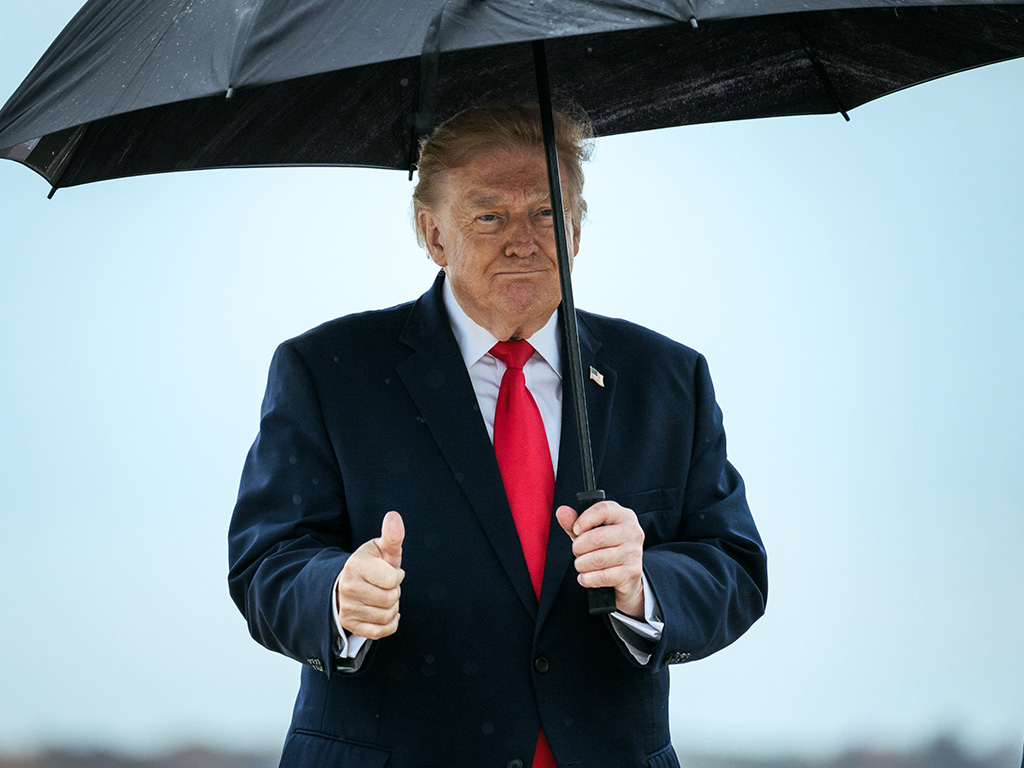
The dynamics of a second-term president facing a robust opposition are complex. Trump will need to maintain support among congressional Republicans to prevent any significant bipartisan legislation from passing. The historical precedent suggests that such a blue wave can create lasting advantages for the Democrats, potentially affecting the 2028 presidential elections. While some Democrats have called for radical changes like ending the filibuster, such moves could backfire without control of the White House. Trump's legislative initiatives are likely to face staunch opposition, reminiscent of the “Do-Nothing Congress” era, leaving him with limited options for governance.
Despite the challenges, there is a historical precedent for presidents to remain active and influential even after significant congressional losses. Both Clinton and Obama navigated their final terms with notable actions—Clinton engaged in military interventions and maintained fiscal responsibility, while Obama utilized executive orders to push his agenda. Trump could similarly leverage his remaining time to influence foreign policy and potentially restore his popularity if significant events unfold favorably, such as resolving conflicts abroad or achieving economic growth.
However, opposition parties often struggle to capitalize on their successes, as seen in past midterms where overzealous candidates and missteps hindered progress. The Democrats, now invigorated by their gains, may face internal challenges in managing a diverse and progressive caucus. The potential for radical legislation could alienate moderate voters, especially given that many of their agendas have low public favorability. This internal friction could undermine their effectiveness and lead to overreach, reminiscent of past opposition party mistakes.
The factors contributing to the blue wave in 2026 are multifaceted, including ongoing wars and economic conditions. The public's perception of Trump's military engagements, particularly in Iran, has evolved, and initial support has waned due to prolonged conflict and mismanagement. Economic indicators, while improved compared to 2022, still present challenges for Trump, who faces a complex landscape of public dissatisfaction and geopolitical tensions. The historical context suggests that despite poor approval ratings and economic struggles, the Democrats’ ability to galvanize support may reflect deeper changes in voter sentiment, positioning them favorably for the upcoming elections.




Related Posts
Stay Informed With the Latest & Most Important News
Newsletter Signup
Previous Post
Next Post