Now Reading: The Smell of Marijuana
-
01
The Smell of Marijuana

Article Summary
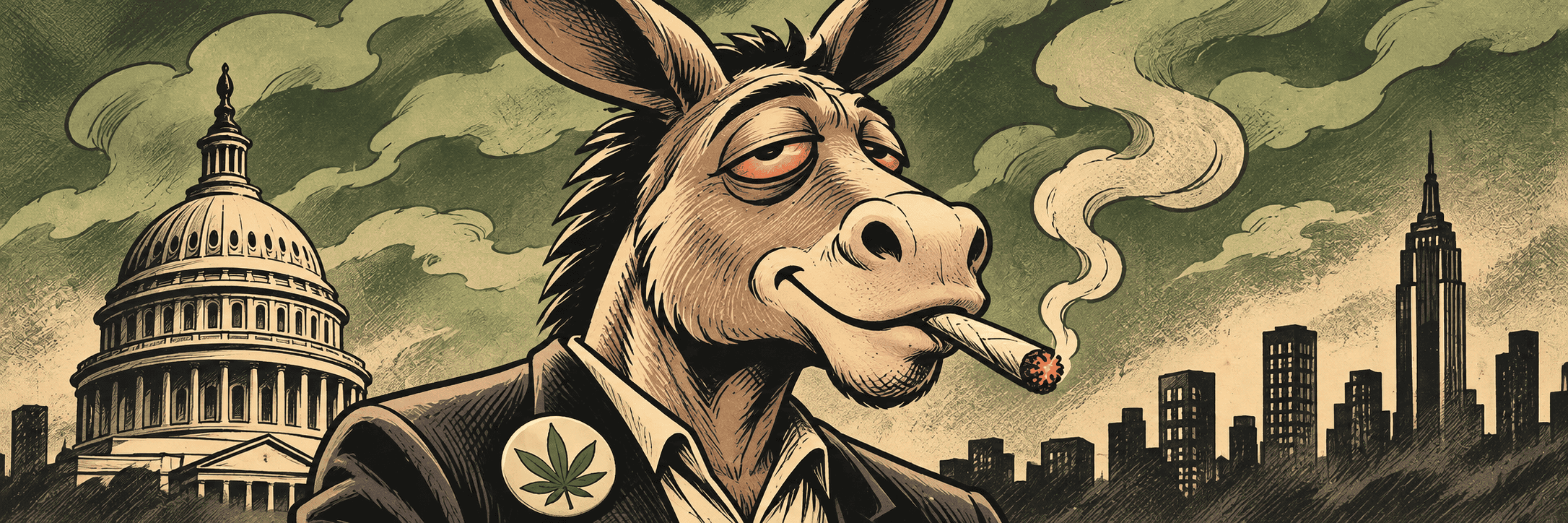
The author, who has a background in the cannabis culture of the 1980s, reflects on the stark contrast between past and present attitudes toward marijuana. They express disbelief that adults today would choose to decriminalize recreational marijuana use, suggesting that this shift indicates a decline in adult responsibility and maturity. The author critiques the current generation for their appearance and behavior, implying that such changes correlate with the rise of marijuana legalization, particularly in cities governed by Democrats.
According to the author, the legalization of marijuana has led to its normalization and increased prevalence in urban areas, particularly those aligned with liberal politics. They cite Pew Research data indicating that a significant majority of Democrats support legalization, raising the provocative question of whether Democrats prefer their constituents to be under the influence. The author connects the legalization trend to the political leanings of urban areas, asserting that these cities are breeding grounds for both marijuana use and democratic socialism.
The author also highlights a perceived hypocrisy among liberals, who endorse marijuana while condemning tobacco, despite both substances having potential health risks. They argue that this inconsistency reflects a broader ideological conflict within liberalism, as tobacco is associated with historical injustices, while marijuana has gained a more favorable cultural status. The author contrasts the libertarian approach to drug legalization, which they view as consistently promoting individual freedom without regard for societal order, with conservative values that prioritize a balance between freedom and social responsibility.
In conclusion, the author expresses concern over the implications of widespread marijuana use in American cities, suggesting that it undermines the principles of personal responsibility and civic order envisioned by the Founding Fathers. They lament the increasing normalization of marijuana, framing it as a troubling trend that reflects broader societal decay. Ultimately, the author paints a picture of a nation grappling with the consequences of its choices, culminating in what they perceive as a "stinky, smelly mess."




Related Posts

Stay Informed With the Latest & Most Important News
Newsletter Signup
Previous Post
Next Post