Now Reading: Transportation Secretary Duffy’s call for more cash was off key. Money alone won’t fix the FAA
-
01
Transportation Secretary Duffy’s call for more cash was off key. Money alone won’t fix the FAA
Transportation Secretary Duffy’s call for more cash was off key. Money alone won’t fix the FAA

Article Summary
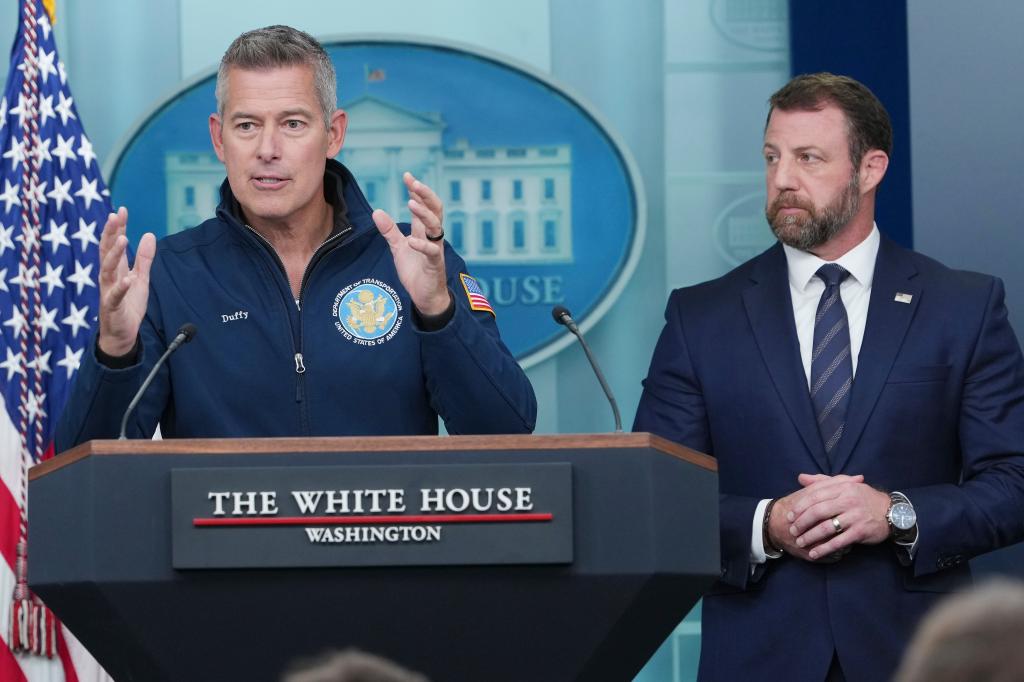
As the crisis unfolded, Duffy and Mullin acknowledged their lack of information regarding the cause of the disruptions, which stemmed from hardware failures affecting air traffic control systems. Their candidness, while frustrating for those impacted, was essential in maintaining trust. Duffy's admission that the issue might be linked to outdated technology was a stark reminder of the underlying problems within the aviation infrastructure. Despite the uncomfortable nature of their statements, the officials recognized that honesty was crucial in managing public expectations.
The situation continued to evolve, with further delays and cancellations reported. Duffy's subsequent comments suggested that investigators were examining potential contractor errors or equipment failures as causes. However, he refrained from making definitive claims, adhering to the principle of honesty that Rubenstein championed. Meanwhile, FAA Administrator Bryan Bedford echoed the sentiment of caution, ruling out cyberattacks while emphasizing the need for further investigation. Their restraint in making hasty conclusions underscored the importance of transparency during a crisis.
Amid the chaos, Duffy shifted some focus to funding issues, lamenting Congress's failure to allocate sufficient resources for upgrading the FAA’s communication systems. His call for an additional $50 billion in funding seemed ill-timed, especially considering the national debt and the public's immediate concerns. This plea for more money, particularly from someone who previously championed fiscal responsibility, raised eyebrows and did little to reassure those stranded at airports. The suggestion that increased funding would rectify systemic issues felt disconnected from the reality of the ongoing crisis.
Governor Kathy Hochul's response to the situation added another layer of complexity. Rather than offering constructive solutions, she opted for political blame, criticizing Duffy's handling of the crisis without providing evidence of a pattern of failures. Her remarks highlighted the tendency of political figures to engage in blame-games rather than focus on practical assistance during emergencies. Overall, the incident demonstrated the delicate balance between transparency and public reassurance, emphasizing that in times of crisis, honesty is not only a best practice but a necessity for maintaining public trust.




Related Posts

Stay Informed With the Latest & Most Important News
Newsletter Signup
Previous Post
Next Post